
I had never visited the city of Bath in England before this trip in 2016. Like so many British cities, it has old and new melded together. We walked through modern streets lined with honey-colored buildings made of a special kind of limestone. On the warm, mostly sunny day we visited, the buildings radiated a soft warmth.
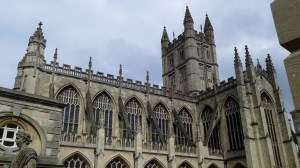 In the old section of town, Bath Abbey stands in glorious aged stone. It was the victim of King Henry VIII’s pillaging and destruction, and lay in ruins until the early 1600s when it was repaired and has been in use since. It was not open for tours, so is on my list for the next visit!
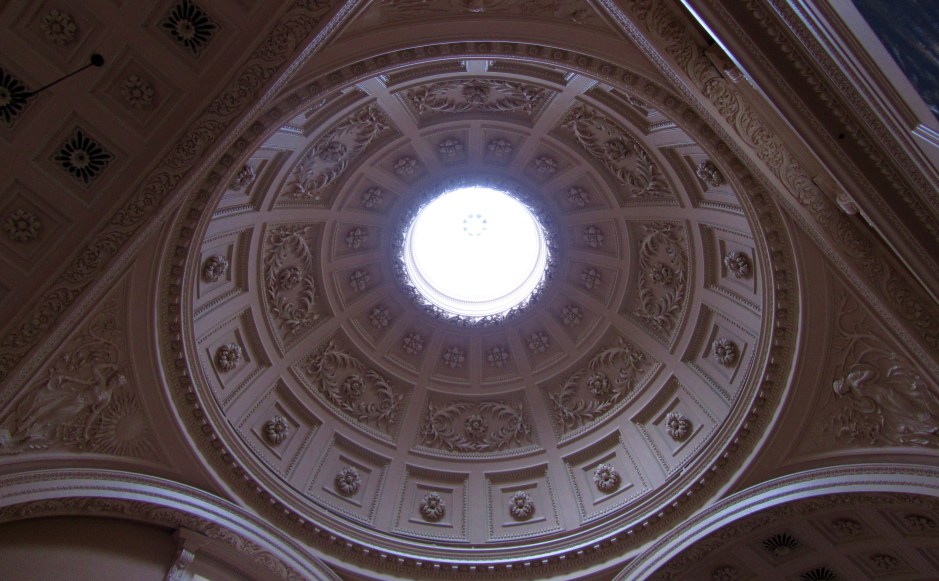
The famous Roman Baths are next to the abbey, and they are in a class of their own, for their 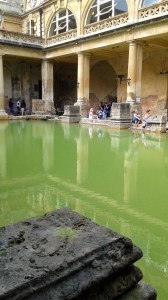 antiquity, engineering and level of preservation. We entered through an 18th century building with its own stunning domed ceiling that imitates the Pantheon’s dome and oculus. The Great Bath and other smaller baths are below street level and are filled with thermal spring water glowing a distinctive green. The water rises each day at the rate of 1,170,000 liters at a steady temperature of 46 degrees C (114 F).
The Romans built a temple to Minerva here and many of the faithful came by to toss in tiny curse tablets. (!) Apparently it appealed to their sense of justice to complain about such behavior as thefts and include a list of possible culprits. Also thrown in were a lot of coins and other objects, possibly as offerings. I ran  into an actor portraying a Roman vendor who offered to sell me one denarius (Roman coin) for the price of 2 denarius. He then offered me a curse tablet for 4 denarius. After I explained I was more inclined toward blessings, he offered to create one of those for 8 denarius, as blessings are far more work.
The water is not safe for people, but nearby spas offer a dip in the same thermal waters, which some of my fellow travelers say is hugely restorative. While they were soaking their tired tootsies, I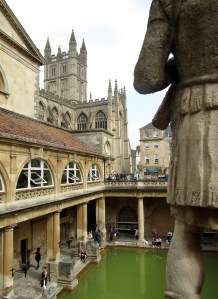 went with two traveling friends for afternoon tea (a three-tiered tray of goodies) in the Pump Room and did my best to eat it all!
Fascinating and worth a visit. Only 90 minutes by train from London.
 stops to stare and speculate – merchants, customers, the poor and the desperate. Even a wife trying to save her suicidal husband is distracted by the car, which offers no help, no answers. Just more questions.
 1550 to his nephew with advice on choosing a wife. The basic message was to be realistic and avoid being too picky because he was unremarkable in appearance. Readers could infer the august uncle might also have judged his poor nephew as ordinary across the board. To be a fly on the wall when that letter arrived!
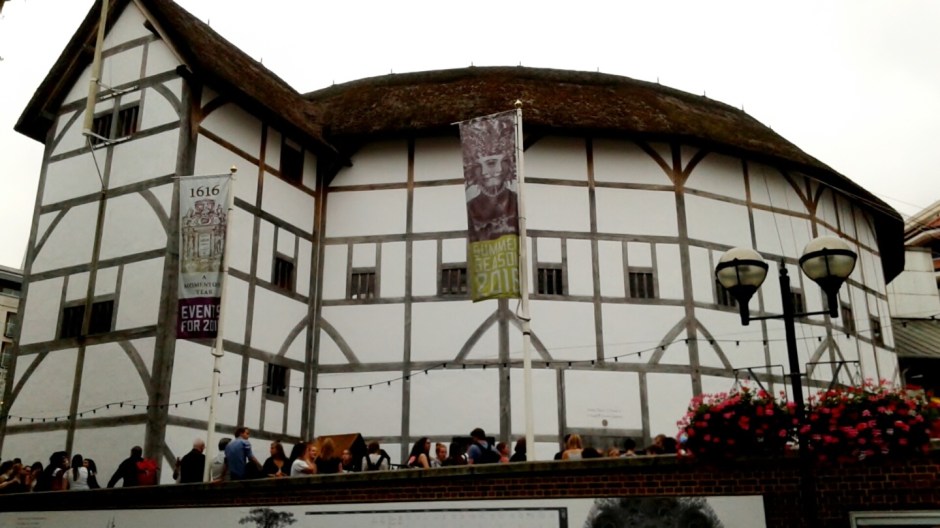
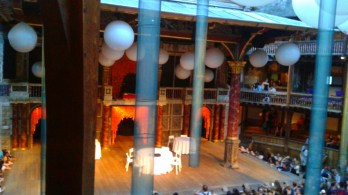 It’s a mischievous play about runaway lovers, featuring a fed-up, then bespelled and beguiled fairy queen, a scheming fairy king and a wild and wily Puck, self-proclaimed “merry wanderer of the night.” They interfere with the human realm and love goes awry every which way! Adding to the mayhem is a play within the main play where inept actors pop up and practice their lines with dubious results.
 upon a tiny, elderly couple dressed in their Sunday best who were moving even more slowly. The Mrs. was a bit more agile and so was leading the way. The Mr. was directly in front of me, turned sideways, hanging onto the handrail and moving methodically down one step at a time. Plunk, plunk, plunk. Around and down we plodded. Fortunately, there was room beside our little knot of slowpokes for others to stream by. (I shudder to think about the pent-up pressure should we have blocked passage.) There was a bit of muttering between the dapper couple, mostly from the Mrs., and I gathered the station was not familiar to them. Then, as clear as a bell, I heard her dry British voice, “If we go down much farther, we’ll see Satan.”

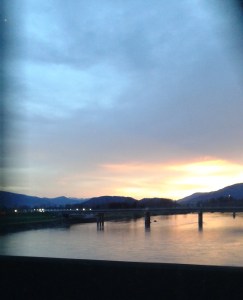 be of an incomparable clarity, throwing into gentle vividness every detail presented to the eye. First, the color, which was not like the color of other cities I had been in. Not concrete color, not cold glass color, not the color of overburned brick or harshly pigmented paint. Rather, the worn organic colors of the ancient earth and stone of which the city is composed.” He writes of the color of the ages.

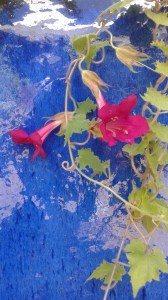 “trees both unruly and composed at once, like princes who sleep stock-still but dream swarming dreams.” He never expected them or for Rome “a city of 3 million people to be a living garden, moss in the sidewalk cracks, streamers of ivy sashaying in archways, ancient walls wearing a haze of capers, thyme sprouting from church steeples.”
 Constantine funded the construction of “the mother and head of all churches of the city and of the world,” known as
 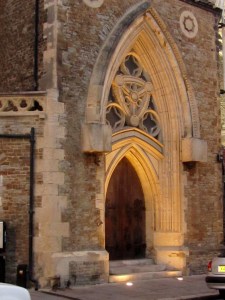 like most all of his predecessor emperors, Constantine was no saint. Nope. Hughes rightly describes some of his edicts as “psychotic” – edicts that pretty much put girls and women under the thumb of men, for better or worse. While he decreed that rapists were to be burned alive, the female victims lost the right to inherit property from their parents, essentially marginalizing them in society. Why? Because it must have been their fault. Of the other punishments – read at your own peril.
 Literary wanderings
