

As Anthony Doerr and his wife Shauna explore their new neighborhood in Rome, he wraps their discoveries in words of color and light as they “glide through sun and shadow,” and see “hundreds of balconies crammed with geraniums, pygmy palms, tomatoes.”
Living in Rome on a one-year writing fellowship, Doerr is astounded by Italian pines,  “trees both unruly and composed at once, like princes who sleep stock-still but dream swarming dreams.” He never expected them or for Rome “a city of 3 million people to be a living garden, moss in the sidewalk cracks, streamers of ivy sashaying in archways, ancient walls wearing a haze of capers, thyme sprouting from church steeples.”
In the studio where he is trying to write a novel he has a lot of moments as he orients himself to the massive history of the city. “When the night sky above the Janiculum was as awash with stars as any sky anywhere, Galileo Galilei assembled his new telescope at a banquet in this very garden, just beneath my window, and showed guests the heavens.” Of nearby Trastevere he realizes, “Julius Caesar lived in this neighborhood. So did Cleopatra.” I am thrilled that our study abroad group will be there too.
On the terrace of their apartment one night, the city shows its dusky side. “The air is warm and sweet. Stars burn here and there. In the distance, little strands of glitter climb the hills.”
More exploring. They find a glorious fountain and then a view of the entire city.
“Beneath us, for as far as we can see, drifts a bluish haze – it is as if the city were submerged beneath a lake, and a wind were ruffling its surface.” A few pages later another view and, “everything is radiant.”
They begin to grasp their taxi driver’s words the day they arrived: “There is no city more beautiful than Rome.” From the book Four Seasons in Rome.
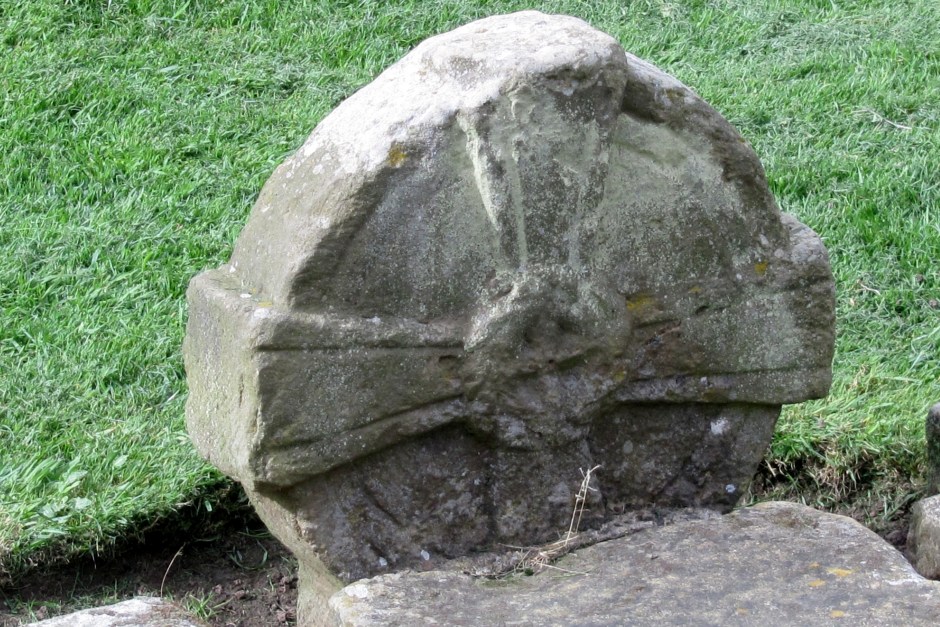
 Constantine funded the construction of “the mother and head of all churches of the city and of the world,” known as
 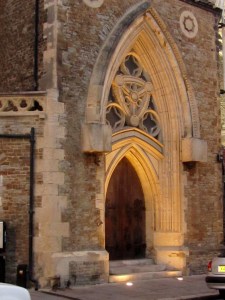 like most all of his predecessor emperors, Constantine was no saint. Nope. Hughes rightly describes some of his edicts as “psychotic” – edicts that pretty much put girls and women under the thumb of men, for better or worse. While he decreed that rapists were to be burned alive, the female victims lost the right to inherit property from their parents, essentially marginalizing them in society. Why? Because it must have been their fault. Of the other punishments – read at your own peril.
 Should you ever pick up this superbly written book, far better that you go back a few pages and wander with wonder over his account of the truly remarkable Roman road system. Or bounce forward and read about the architectural innovations made possible by Roman concrete, such as the Pantheon (I can hardly wait to see it), the aqueducts and the thermae, or baths (yep, going to see those too). All of these structures sport the uniquely Roman “giant vaults” made possible by “the poured concrete arch.”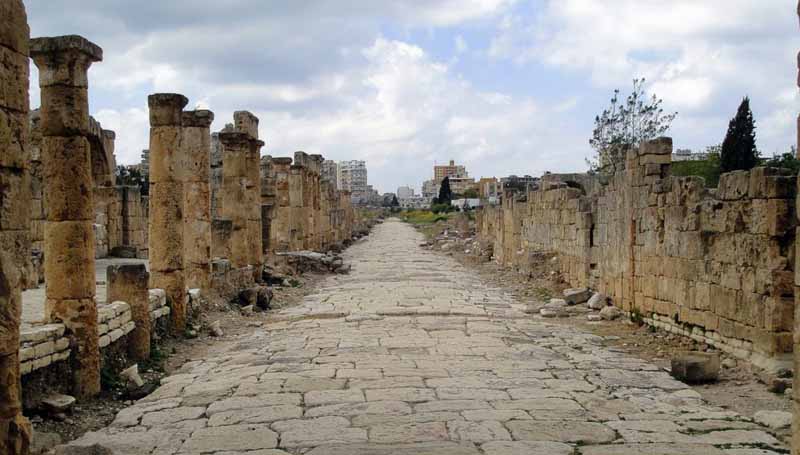
 People threw pretty much everything they didn’t want into the street. Garbage, excrement, kitchen waste, even corpses. (!) There was no running water for most residents, except underneath the ubitquitous public toilets. With stellar sewers and storm water channels, the rain would eventually wash the festering, mouldering mess into that system. It all landed in the Tiber River – a source of drinking water. (!)
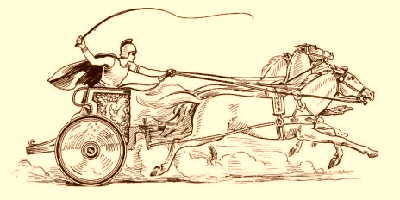 mid-afternoon. (But not the vestal virgins and champion charioteers.) Result: chaos, clutter and cacophony all night long as commercial traffic banged through the stony, rutted streets on “wooden wheels with iron tires.” Poets wrote furious prose about the din.
 I was not expecting to encounter consecrated cluckers when reading a book about the ancient and very fearsome Roman army. It seems that the Romans adopted divination as a belief from the even more ancient Etruscans, who wanted a religious reason to do just about anything. Ever the practical empire, Romans also adapted a host of gods that very much resembled Greek gods, but with different names.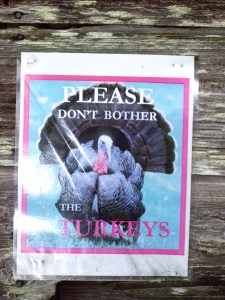


 A nearly 2,000-year-old bronze statue of Emperor Marcus Aurelius and his horse sets Hughes way back on his heels. I am set way back in my easy chair, absorbing his description. “This is no rocking horse.” “Marcus Aurelius’ hair stands energetically up, a nimbus of corkscrewing locks.” I can already feel it. I want to see it.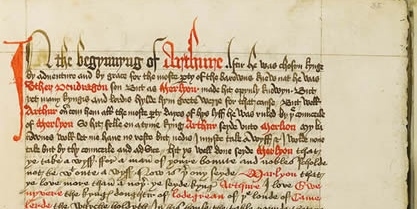
 Never. King Arthur claims Roman lineage and sends a message to Lucius: I’m coming for you. The good king sets off toward Rome, but not before poor Queen Guenivere swoons in sorrow at his parting. Meanwhile Emperor Lucius heads to France, pillaging and conquering along the way. Arthur kills a terrible, horrible, very bad giant of Genoa. Then Arthur does away with Lucius and rides to Rome, mowing down kings and nobles along the way and sending their corpses to the Pope. Surprise, the Pope crowns him emperor of Rome. The marvelous knights get homesick and miss their wives. (No word on whether Arthur misses Guenivere.) The splendid Arthur declares “enough is as good as a feast” and “there was trussing of harness” and they all return to England.

 Makes me think of a quote from
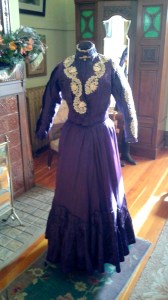
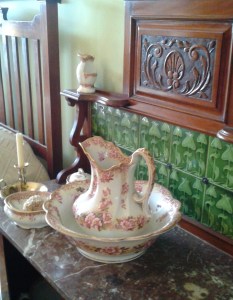 Lucy did not know her mind and heart were asleep until she ventured out into a different world, where her habits and patterns were disrupted. She went to Italy the first time as a tourist. She goes a second time as a traveler. Someone fully alive, no longer in conflict with her inner self.
 He starts with compliments about her royalty, how much she means to him, and how her memory will never dim during his lifetime. (Hmmm.) He denies planning to sneak away (even as he was, in fact, sneaking). Then he says he was not really and truly married because the rituals were not fulfilled. (He was just a little bit married.) Aeneas invokes the horror of a paternal haunting (who can argue with a ghost?), his family obligations and his destiny to build a new Troy. He points out that Dido herself is a refugee escaped from her wicked brother, and asks her why she would begrudge him the same privilege. (One word: Cheeky!) His ace card: the god Mercury has ordered him to Italy – his new home, his new love. He blurts out to Dido, “I drank his message in! So please, no more of these appeals that set us both afire. I sail for Italy not of my own free will.”
 Literary wanderings
