
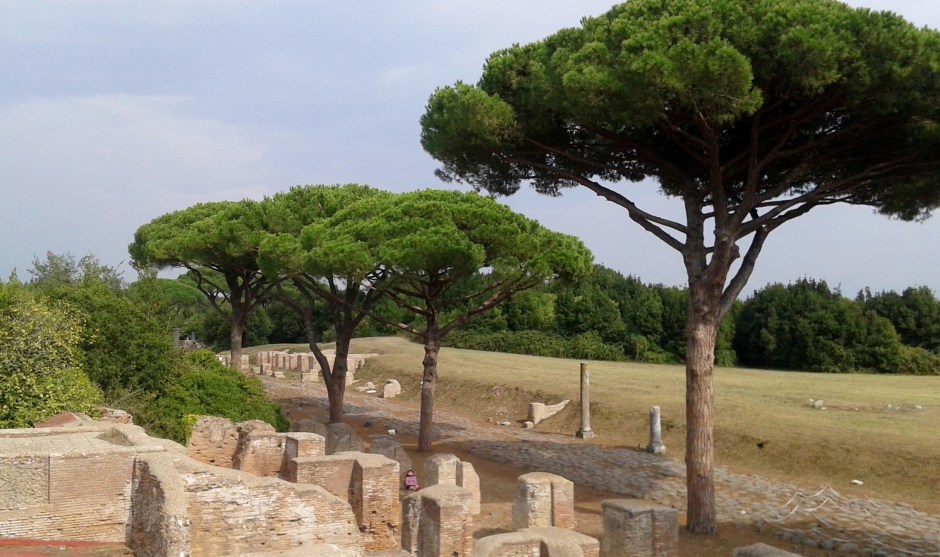
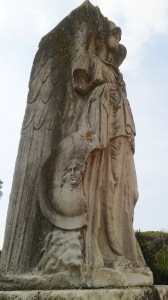
One of my favorite stops on our itinerary for Rome was Ostia Antica, an archeological site very easy to visit on a day trip. It was, for a few centuries, the port city that supplied Rome, but went into a gradual decline and was fully abandoned by the 9th century. The Tiber River, a silting phenomenon, slowly filled in the harbor and covered up the city. The river took a few centuries to swallow everything, and in the meantime, marble was scavenged from Ostia Antica to be reused in cathedrals around Italy.
According to the official Ostia Antica website, treasure hunters, official and unofficial, rooted and dug through the mud and ruins through the 1800s while the site was still owned by the Vatican.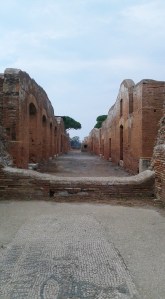 In 1870 the city became part of the new Italian state, and scientific excavations began in the early 1900s and have continued so that now visitors can see much of the city, but apparently there is still more to discover.
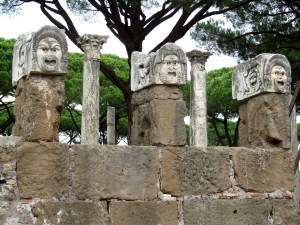
Our group spent an afternoon at the site and barely scratched the surface. I found it to be restful because it was not at all crowded – we saw scattered visitors but our mighty dozen appeared to be the largest group of wanderers on the grounds that day. Around back  of the partially restored amphitheater’s stage, costumes hung for a live performance that night were left without watchers, a stark contrast to Rome, where we were told be constantly on guard against theft.
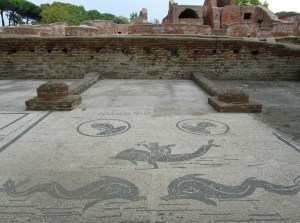
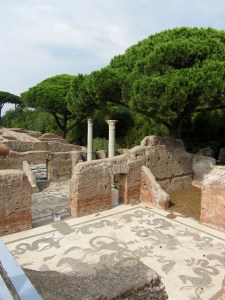
While much was taken from this site, much still remains to astound and impress, such as the Piazzale delle Corporazioni, or guild offices, where the mosaic-adorned floors depict the type of business or service offered. Mosaics at
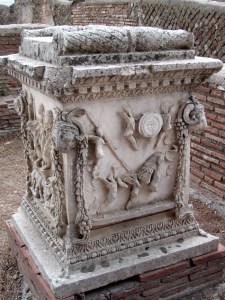
the public baths are a marvel as is the amphitheater, and a four-sided altar to Mars and Venus and more. Definitely on my must-return list, and only two train stops from the coastal suburb of Ostia.
Rick Steves has a chatty little post online about this site: A peek into ancient Rome at Ostia Antica.
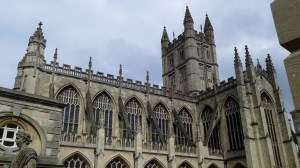 In the old section of town, Bath Abbey stands in glorious aged stone. It was the victim of King Henry VIII’s pillaging and destruction, and lay in ruins until the early 1600s when it was repaired and has been in use since. It was not open for tours, so is on my list for the next visit!
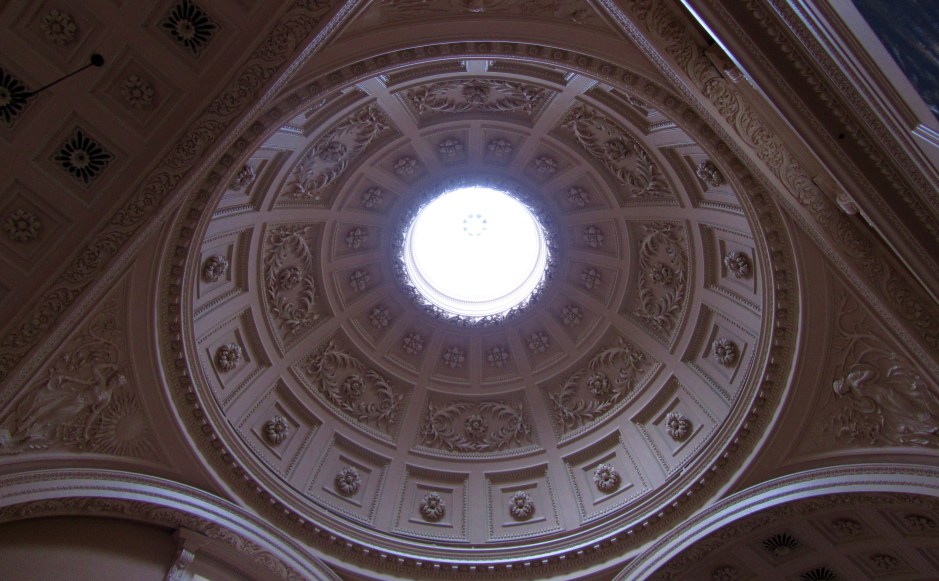
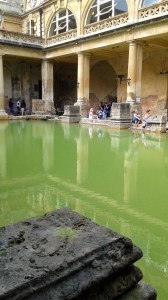 antiquity, engineering and level of preservation. We entered through an 18th century building with its own stunning domed ceiling that imitates the Pantheon’s dome and oculus. The Great Bath and other smaller baths are below street level and are filled with thermal spring water glowing a distinctive green. The water rises each day at the rate of 1,170,000 liters at a steady temperature of 46 degrees C (114 F).
 into an actor portraying a Roman vendor who offered to sell me one denarius (Roman coin) for the price of 2 denarius. He then offered me a curse tablet for 4 denarius. After I explained I was more inclined toward blessings, he offered to create one of those for 8 denarius, as blessings are far more work.
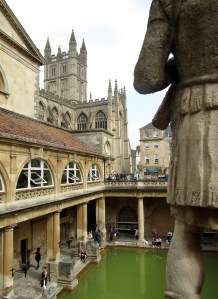 went with two traveling friends for afternoon tea (a three-tiered tray of goodies) in the Pump Room and did my best to eat it all!
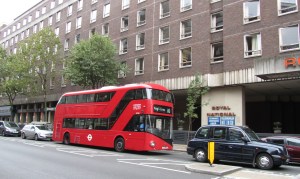 stops to stare and speculate – merchants, customers, the poor and the desperate. Even a wife trying to save her suicidal husband is distracted by the car, which offers no help, no answers. Just more questions.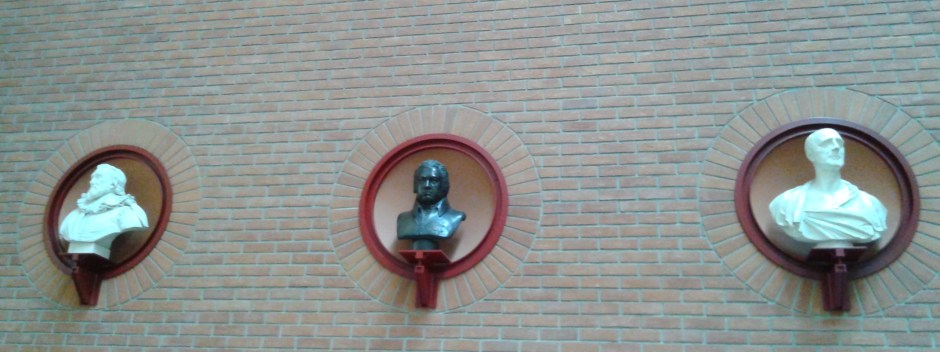
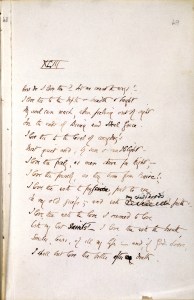
 1550 to his nephew with advice on choosing a wife. The basic message was to be realistic and avoid being too picky because he was unremarkable in appearance. Readers could infer the august uncle might also have judged his poor nephew as ordinary across the board. To be a fly on the wall when that letter arrived!

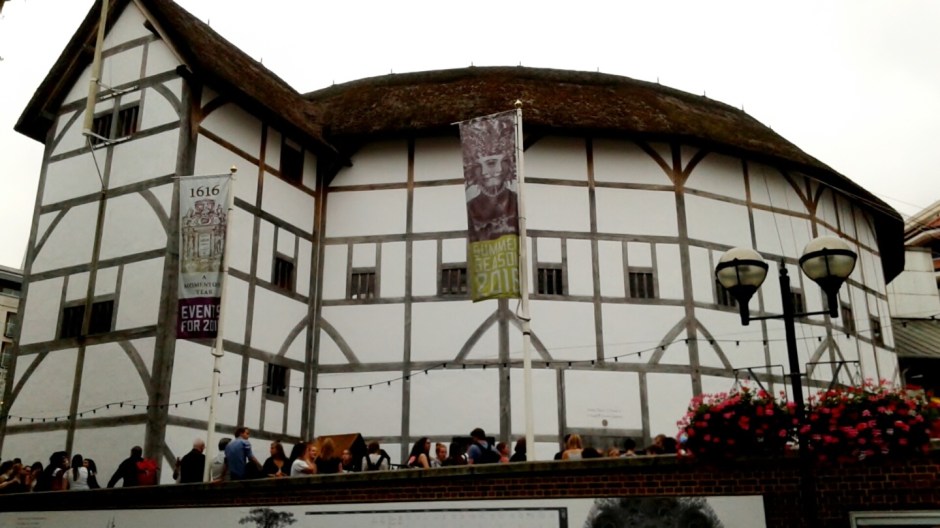
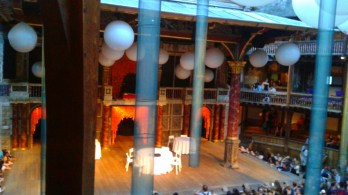 It’s a mischievous play about runaway lovers, featuring a fed-up, then bespelled and beguiled fairy queen, a scheming fairy king and a wild and wily Puck, self-proclaimed “merry wanderer of the night.” They interfere with the human realm and love goes awry every which way! Adding to the mayhem is a play within the main play where inept actors pop up and practice their lines with dubious results.
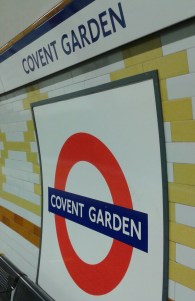 upon a tiny, elderly couple dressed in their Sunday best who were moving even more slowly. The Mrs. was a bit more agile and so was leading the way. The Mr. was directly in front of me, turned sideways, hanging onto the handrail and moving methodically down one step at a time. Plunk, plunk, plunk. Around and down we plodded. Fortunately, there was room beside our little knot of slowpokes for others to stream by. (I shudder to think about the pent-up pressure should we have blocked passage.) There was a bit of muttering between the dapper couple, mostly from the Mrs., and I gathered the station was not familiar to them. Then, as clear as a bell, I heard her dry British voice, “If we go down much farther, we’ll see Satan.”
 Literary wanderings