Every sculpture tells a story … or two

My brother-in-law, Simon Morris, is a sculptor, which is why we are in the Caribbean this week. We traveled to the Cayman Islands – to the largest of three islands, Grand Cayman – to see the installation of Simon’s third bronze sculpture. In the twists and turns of life’s adventure, the paperwork for the sculpture was not complete so the sculpture, Guardian of the Reef, will need to wait just a bit longer to settle into its new home just off the shore of Grand Cayman. To see this majestic sculpture and many of Simon’s other unusual pieces, go to http://www.sculptorsimonmorris.com.

Simon has two other pieces on Grand Cayman so we decided to visit them. We first went to the capital city of Georgetown, where we saw Tradition, a commemorative sculpture honoring the maritime history of these islands and their seafaring people. It features a mariner father and son looking out to sea over the wheel of a ship. It is located in Heroes Square in the middle of town, along with other sculptures.
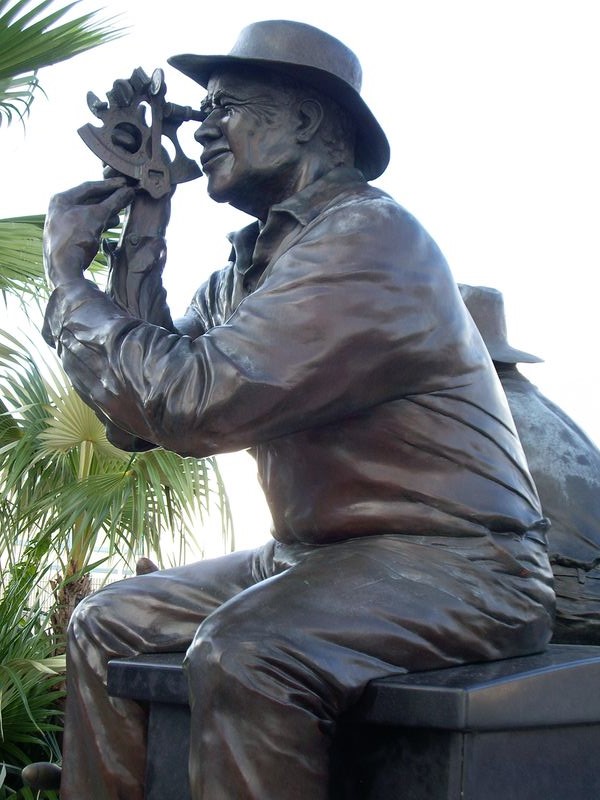
Tradition
Tradition

When we arrived, we found preparations for an event were underway. Turns out the following day was National Heroes Day – a big celebration with the premier and governor in attendance. We ran into one of the organizers of the event, and when he found out that Simon was the sculptor of Tradition, he begged us all to attend. So off we went the next day to watch the celebrations, including marching honor guards, cadets, military and police in dress uniform. Some pics are posted here. Much pageantry, color and speechifying! Many people were honored with recognition for various types of heroism, including cultural leadership, which is so important to this tiny nation.
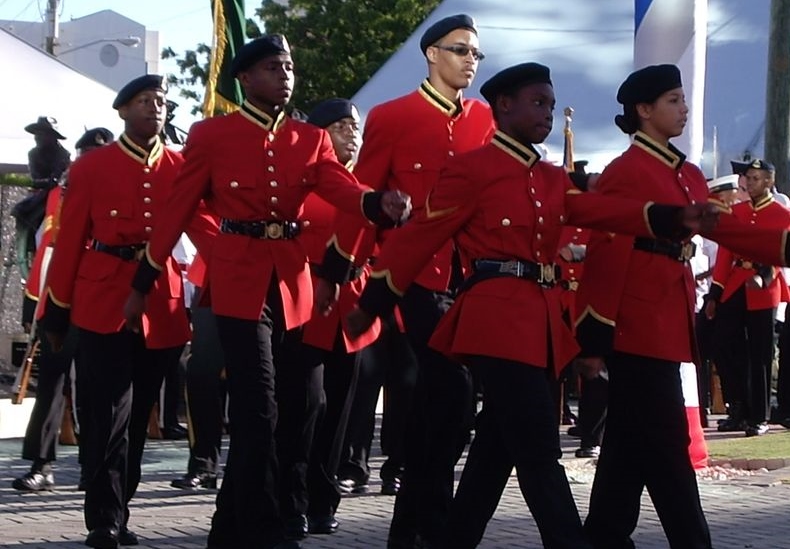

National Heroes Day celebration
The governor inspecting the troops - she is in center of photo
The governor inspecting the troops – she is in center of photo

Later that day our group went snorkeling and diving to visit Simon’s other sculpture – a nine-foot mermaid sunk in 50 feet of water off the shores of Sunset House, one of the dive resorts on Grand Cayman. Hubby and I snorkeled, while Simon and his sister and brother-in-law dove. It was amazing to snorkel out and look down to see Amphitrite below, reaching up so gracefully. Simon slowly descended to her, then swam around her, touching her face and arms as if greeting an old friend. I realized that he leaves a part of his spirit in each piece he creates. A treasured moment.

The water was beautifully clear. When returning to shore, we saw varieties of fish, some squid and coral of different stripes. The colors were striking – blues, greens, every shade of brown, beige and cream in every imaginable pattern – my favorites were dots, spots and squares. The water is warmer than Hawaii and at least as interesting – probably more fish here. I reflected back on my previous time in Cayman – 35 years ago – and remembered many more fish and more vibrant color. But still, the snorkeling is superb and we are relaxing more as each day goes by.

A Caribbean moment

View from our Cayman condo - West Bay area
View from our Cayman condo – West Bay area

Gentle breezes, blue sky with wandering clouds reaching toward bluer water with translucent green highlights… we have arrived in the Cayman Islands. We’ve only been here two days but already I’ve removed my watch and when someone asks me what time it is, I proclaim that I don’t know – with a smile.

The biggest decision we need to make each day is where to snorkel and how many times to get in the pool. Tough vacation. The weather is nudging up to perfect. We were told a norwester storm was on its way and that we should expect cloudy days and rain. So far, no rain. No storm. Sun, sun, sun. So much that we stay out of the sun at midday.

We are staying a a condo community with access to the water and we’ve been for several snorkels and dives, depending on who is in the water. Speaking of the water, it is the temperature of a cool bath. Absolutely lovely.
Today we drove around the island. For being very small – about 22 miles by 9 miles – it takes us quite some time to travel the full scope. We visited Rum Point, which looks like a postcard. We saw hilarious signs – funny to us – advertising all kinds of things. The best one was “Two jerks for the price of one.” Only those in the know would understand this is referencing a dish, Jerk Chicken. We all had a big laugh.

We went to see one of my brother-in-law’s sculptures later today and discovered that there is a big local celebration happening tomorrow, Monday. Heroes Day. And lo and behold, we ran into the coordinator of the entire day, who insisted that Simon attend the morning kickoff, which comes complete with the governor of the Cayman Islands. So we are all tagging along as his “artiste entourage” in the morning. Should be fun!

Postcard view at Rum Point


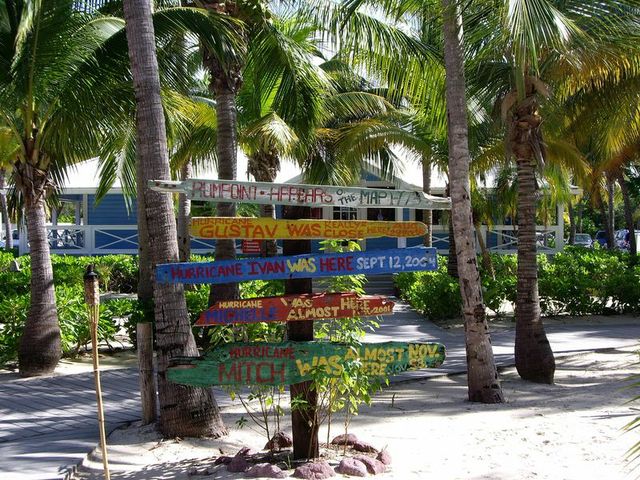
Typical Caribbean humor about hurricanes.

At the Globe in London

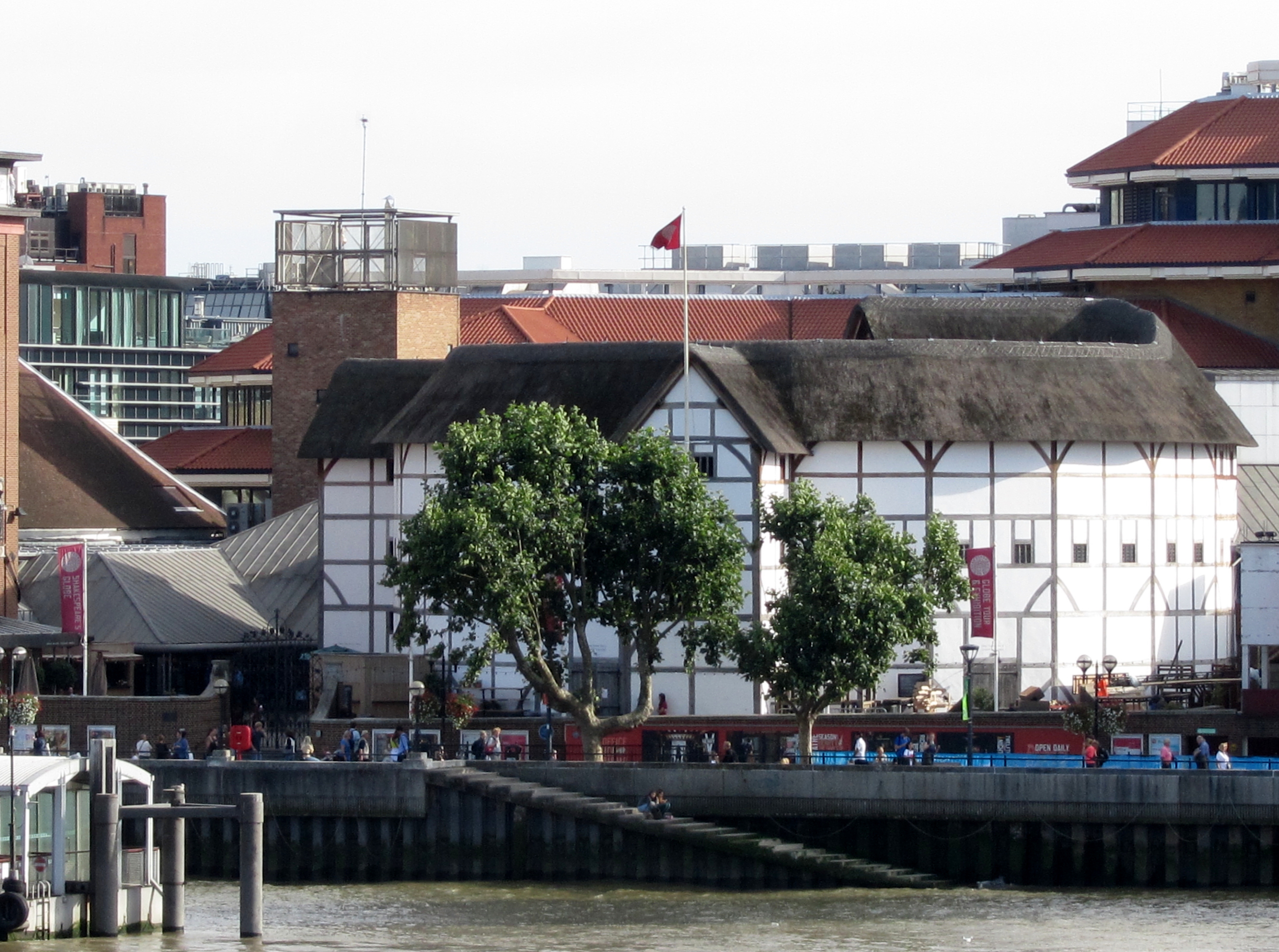
Shakespeare’s Globe Theatre was at the top of our list of fascinating places to visit in London. Tickets in hand to a performance of The Taming of the Shrew, we successfully navigate the tube (subway) and then walk over the Thames River along the Millennium Bridge to the theatre (English spelling).

The Globe, seen from the Millennium Bridge

Prior to the performance we join a “setting the scene” lecture by Professor Sandra Clark of the University of London. She is not a riveting speaker, but we still learn a good deal about the play, known as a farce, and the current perspectives of critics and scholars. Two actors from the company are present and give impressive, suitably Shakespearean readings, which everyone enjoys. I ponder whether this was the best play to choose for our first experience at the Globe… a sexist, misogynist, unpleasant story, she says. Most critics today don’t like it, given that it’s about “unruly” wives being disciplined by husbands. Dr. Clark gives an honest portrayal of the dark side of the play, such as starvation and brainwashing, but also helpfully offers up some contrasting thoughts about how the main characters, Petruchio and Katherina, both rise through pain to transformation. Later I decide that whatever pain Petruchio experiences, Katherina, his reluctant new wife, definitely gets the worst of the deal. We troop off down flights of stairs and across cobblestones to the theatre.

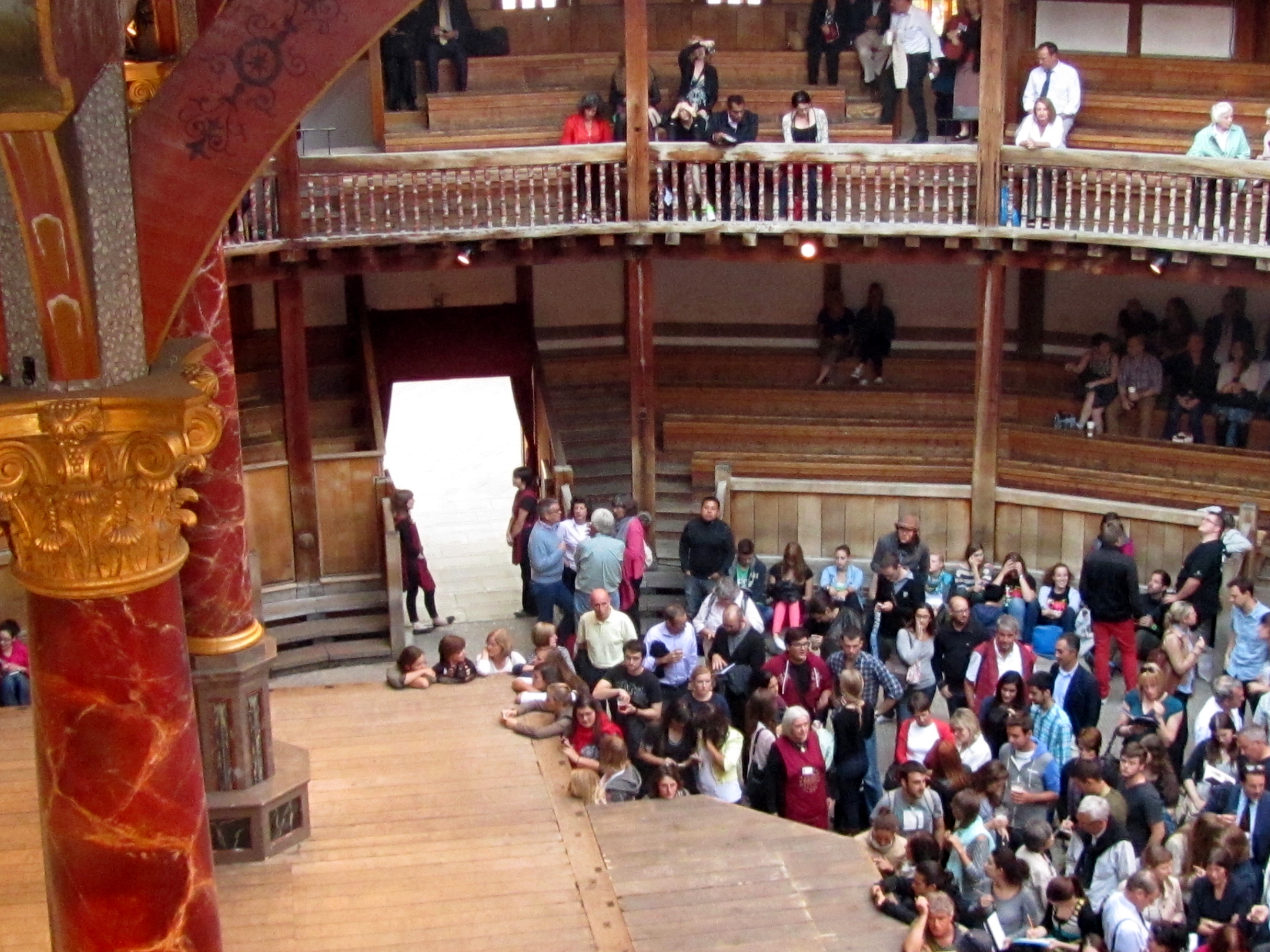
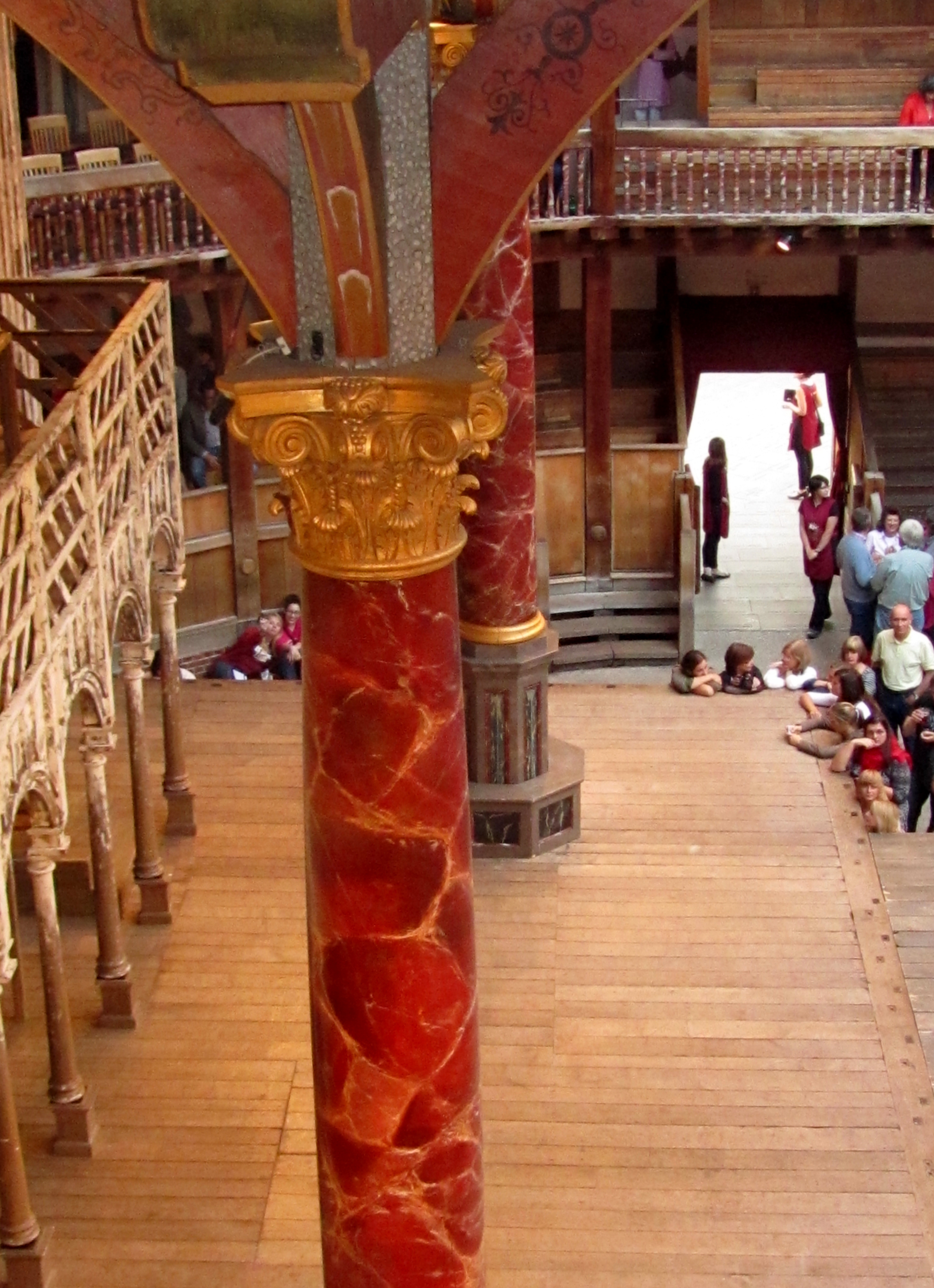
When we arrive at our seats, we come to understand just how faithfully its reconstruction followed Elizabethan architecture. The benches were built for the smaller people of that time and, even though we rent cushions, they are truly uncomfortable. My better half has a difficult time fitting his six-foot, sturdy frame into the allotted space. (More on this later.) We look around and see that, like much of London, the crowds of people surrounding us are mostly young, animated and far more limber. (More on nimble audiences in a moment.) We look down and see that a large space in front of the stage is open for the audience to stand, many leaning on the stage as the play begins. The actors flow onto the stage, but also suddenly appear in the standing audience, which is a big hit.

The audience stands around the stage, Elizabethan style

I am in for several surprises as the performance unfolds. Petruchio, the less-than-savory suitor seeking a rich bride, stumbles loudly and drunkenly through the audience, wobbles onto the stage and then proceeds to urinate in a wide arc on the stage. While I cannot tell if this is an absolute true-to-life rendition of the act, I am repulsed when some of the liquid flings into the audience. A man in the audience yells out and takes off running through the crowd shaking his head. (Hence the need to be nimble.) Petruchio then falls over and spits out liquid in another wide arc, this time soaking a young woman in the front. Ugh! I have read that the Elizabethan audiences were earthy – especially those in the standing area – and I know that these plays are intended to be ribald, yet this is disgusting.

The acting is great and voice projection is amazing – we are three levels up and can hear the dialogue. However, it is fast-paced and accented so we miss some of the humor. I had not read the play for some years and had forgotten just how bawdy it was, with plenty of sexual innuendo and casual banter about women as property. Katherina and her sister, Bianca, engage in a physical fight that leaves me wondering how many bruises the actors collect in each performance. With the amount of movement on a very small stage I also wonder how the actors avoid falling off into the audience.

All the world’s a stage … and it’s small!

The actors occasionally engage the audience near the stage in dialogue, which is well received. When an airplane flies over – a regular background noise in London – they manage to build that into their performance. They really are terrific.

Katherina’s wedding scene is disturbing, with Petruchio turning up in little more than a codpiece. While she is not a likeable character, I feel her humiliation. By this time, my husband’s knees have been jammed up for too long. Neither of us can really move our legs and my non-limber hips are screaming for relief. We head downstairs and hang out at the back of the standing audience area, which is fun. Onstage, the “shrew” Katherina is now being treated abysmally by her new husband Petruchio and his house staff, as part of the “taming.” I have had enough. Yes, it’s a farce from centuries ago, but I don’t like it.

We walk through a dark, quiet waterfront area to the tube, chatting about our experience. All in all, we are pleased we came – it was a rich sensory experience. London has given us an abundance of memories to contemplate and revisit.

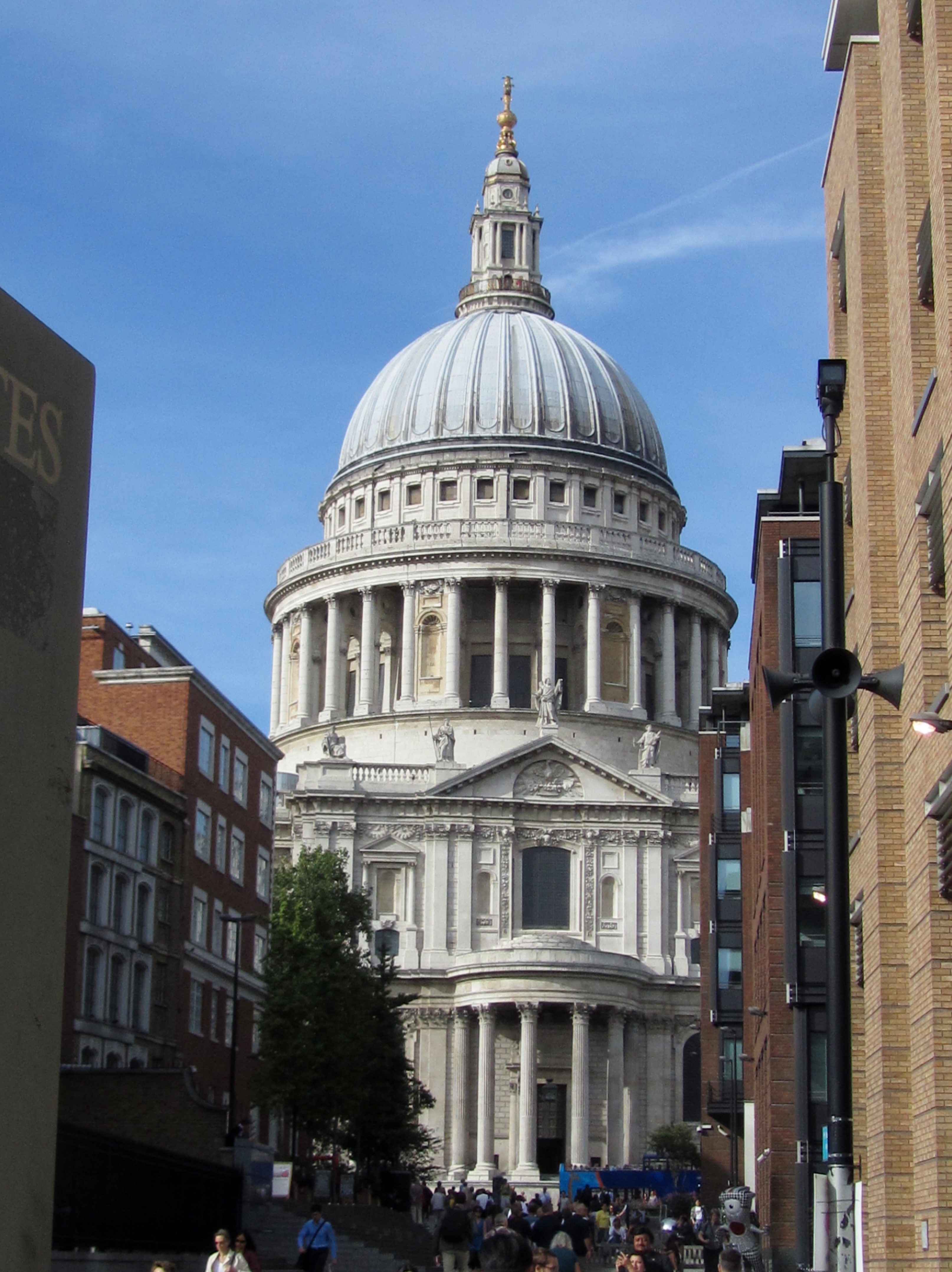
Across the river from the Globe is St. Paul’s Cathedral, saved from burning during WW 2 by people who took shifts on the roof, putting out small fires

The queen of libraries

The British Library is a monarch – one of the largest libraries in the world. It’s so big that visitors are given a map to find their way around the six levels of collections. We visited just two areas and after several hours realized we’d never get to the rest. According to the Oxford Guide to Literary Britain and Ireland, the collection totals 150 million items.

Those besotted by books will want to spend their entire vacation here. I’m in the besotted category and my better half enters the building as an interested bystander. In the end we are both, to use a bit of fun British slang, gobsmacked by the original and illuminated manuscripts, historical documents, maps from antiquity, scientific notebooks from famous thinkers and more.

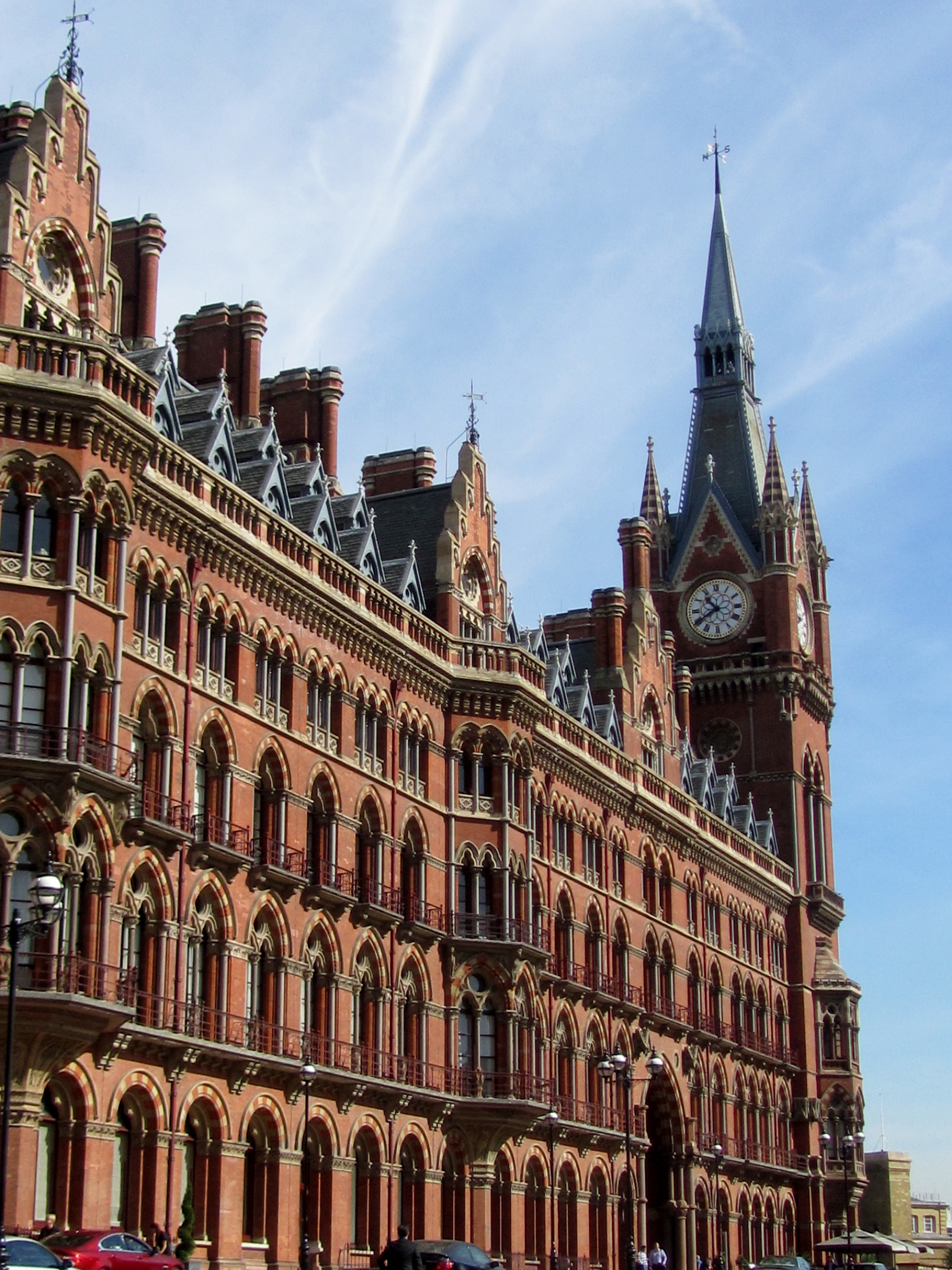
The venerable St. Pancras Hotel, next to the sleek, modern British Library building

We start at the temporary exhibit Writing Britain: Wastelands to Wonderlands featuring more than 150 literary works that explore landscape and place. For me, the most interesting part of the exhibition examines the “tension between traditional agrarian ways of life and the new era of industrialization.” That shift began in the mid-1700s and early observations are in the writings of John Dyer.

My better half cruised through and headed off to Treasures of the British Library, where he proceeded to be gobsmacked by that stunning collection. I stay to spend serious time among these letters, manuscripts and published works that examine a sense of place, home and belonging. There are famous authors in every aisle. Here is Tolkien, creator of The Hobbit and The Lord of the Rings, and lovely, folksy illustrations he painted of the hobbit realm in 1937. There is a proof copy of Far from the Madding Crowd, written by Thomas Hardy in 1874. Then a letter penned in 1844 by William Wordsworth to Prime Minister Gladstone, objecting to a planned railroad. He enclosed a sonnet that began, “Is no nook of English ground secure/From rash assault?” He did not prevail and the railroad still operates today.

I admire an original manuscript of Our Mutual Friend by Charles Dickens, along with proof sheets from Hard Times. In the next aisle, I discover that George Orwell learned about the difficult lives of working people by staying in their homes and crawling through the mining tunnels where they worked, and then wrote The Road to Wigam Pier in 1937. There is Watership Down by Richard Adams, wherein rabbits contend with human-caused destruction and go on a quest for a new home. And here is a letter from Charlotte Bronte in 1849 describing “smoke-dark houses clustered round their soot-vomiting mills.” Down one more aisle I am riveted by a thick manuscript, completely hand done, of The Canterbury Tales from the 1400s. The illustrations are fabulous and include a portrait of Chaucer, the author.

As I walk through the collection, I feel much better about the constant revisions I make to my own writing. Many of the proofs and manuscripts are laden with changes and corrections. The authors each cared about the effect of their words – how they gathered and flowed to form a landscape in the mind and hearts of readers.

It’s time to go and visit other treasures and so I reluctantly exit. Around the corner, my usually taciturn husband tells me how completely amazed he is by the next exhibit. We head off into one more tributary of a vast river of words and knowledge.

Catch the train at St. Pancras to head to Europe

A few of my favorite shots

We saw so much – it was hard to select photos for the stories. Here are a few more of my faves.

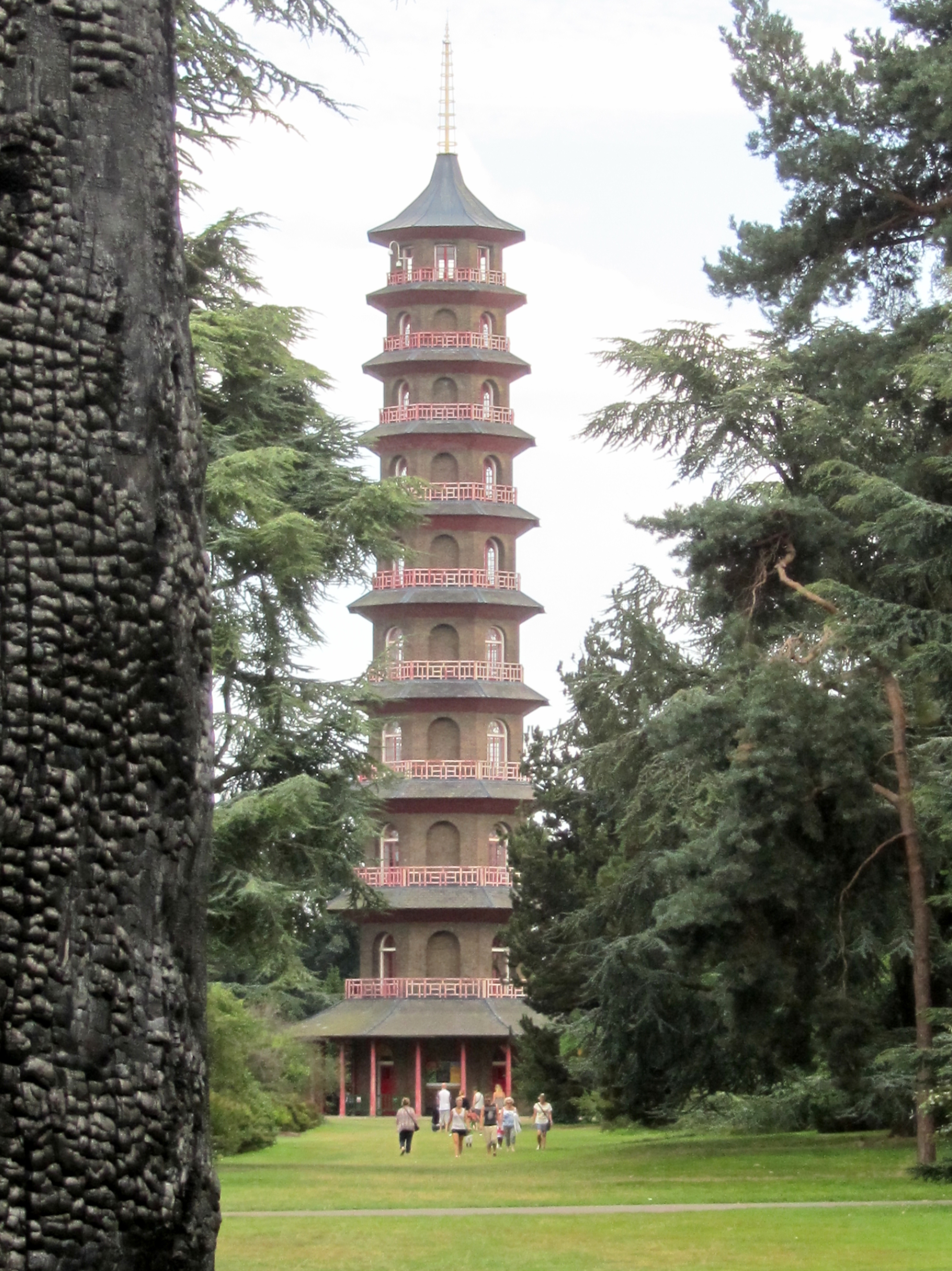
Pagoda at Kew Gardens


In old town Hastings


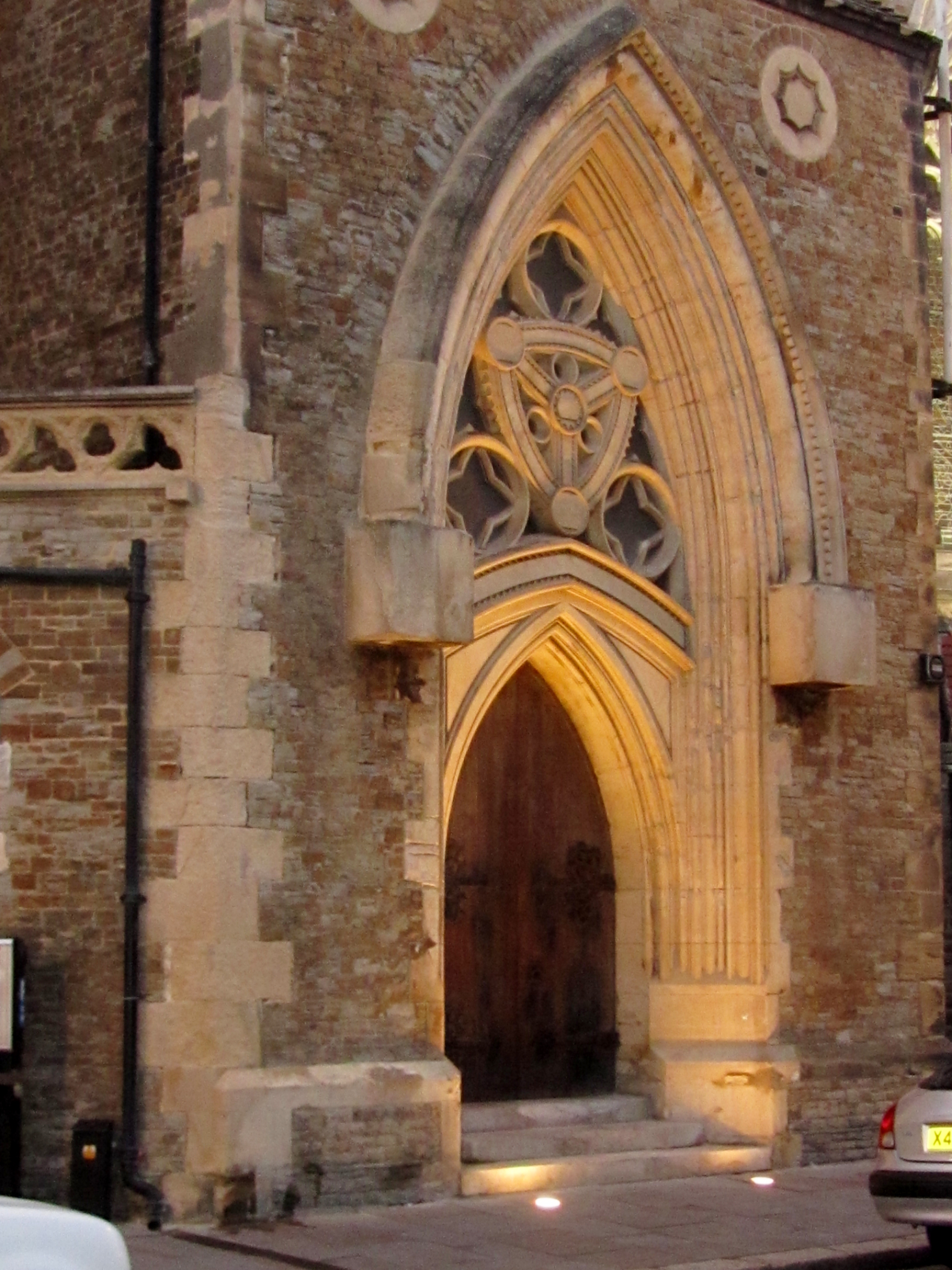
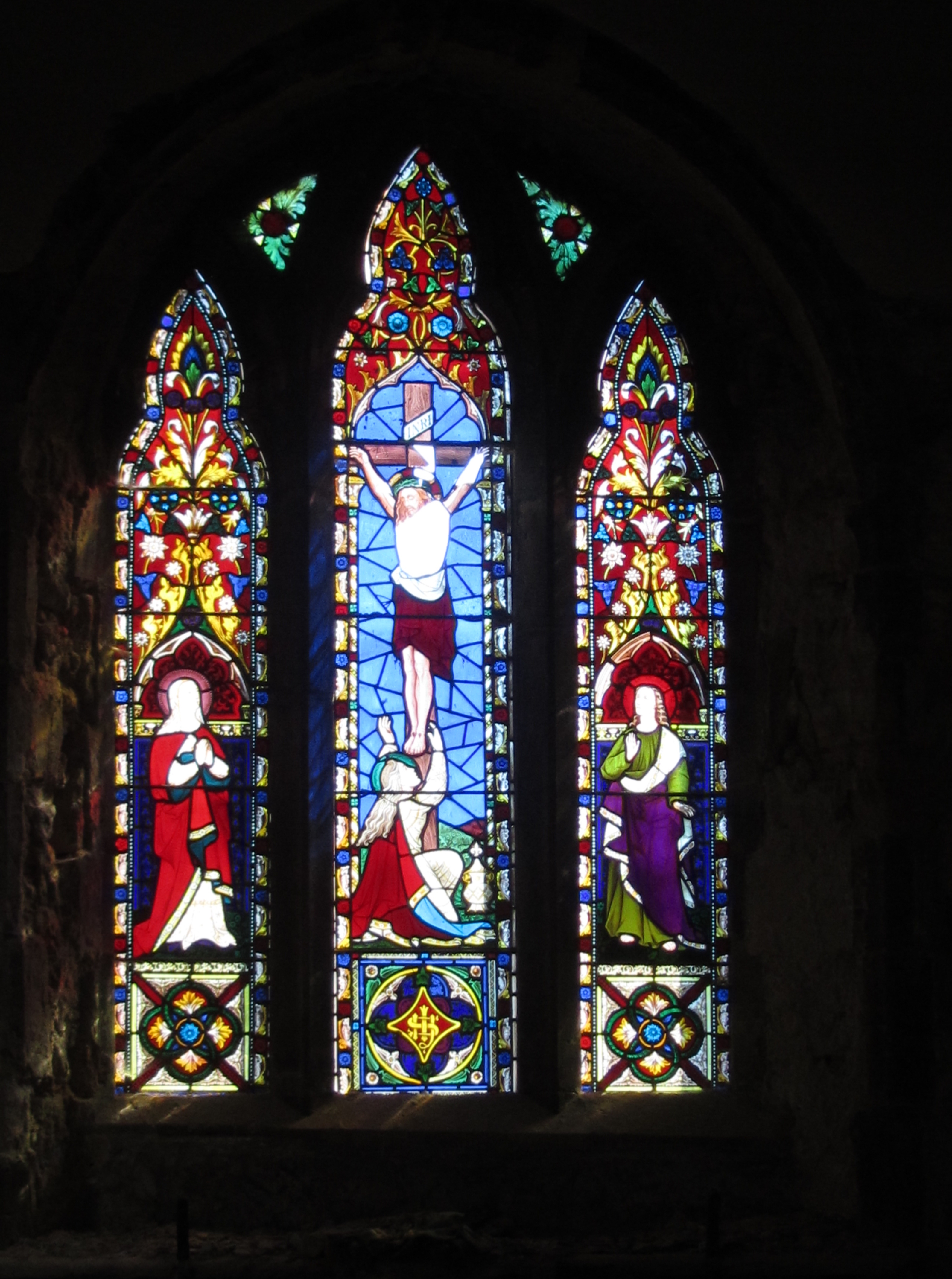
St. Mary Magdelene Parish Church, Whatlington


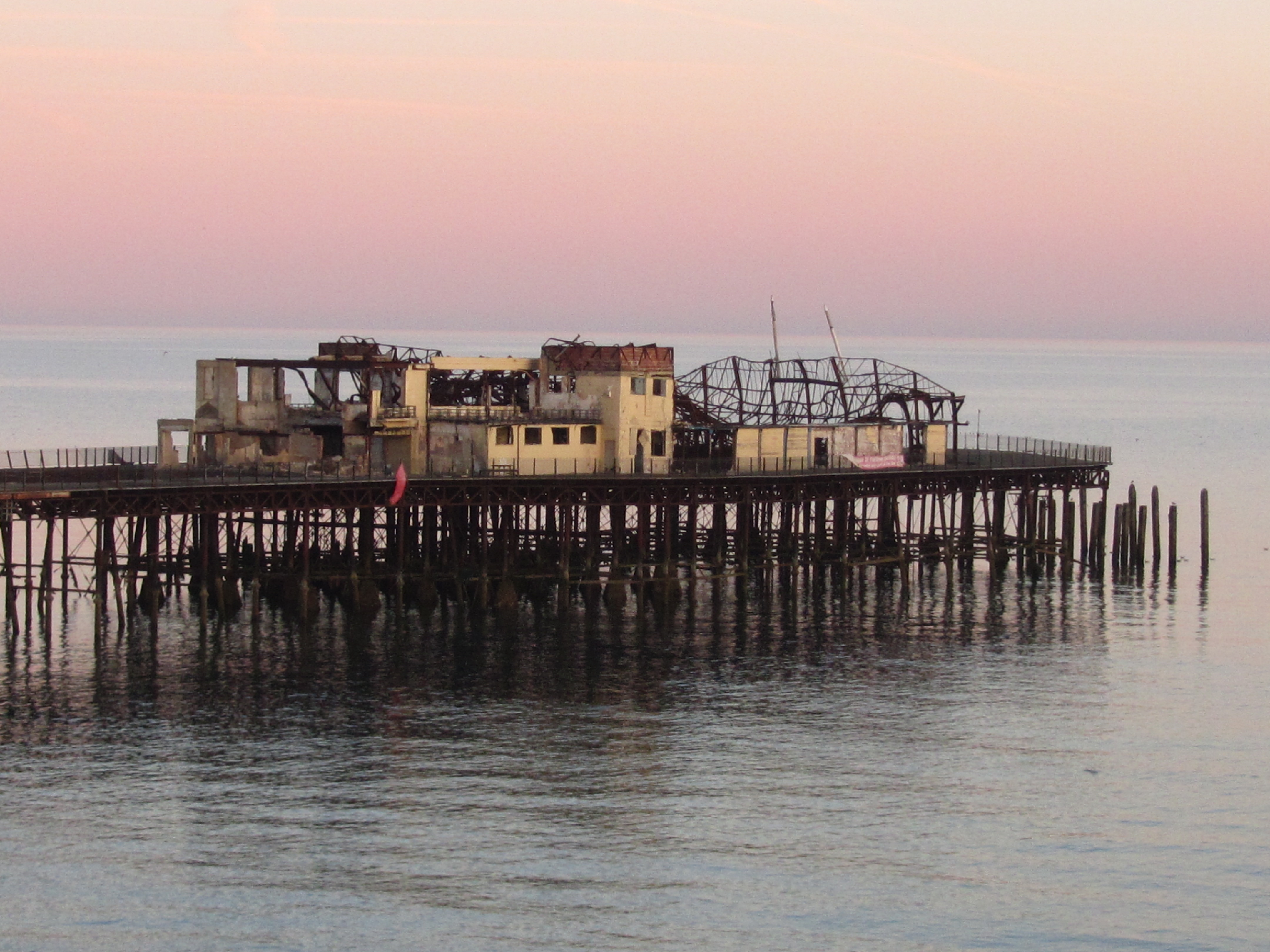
Burned out pier, Hastings


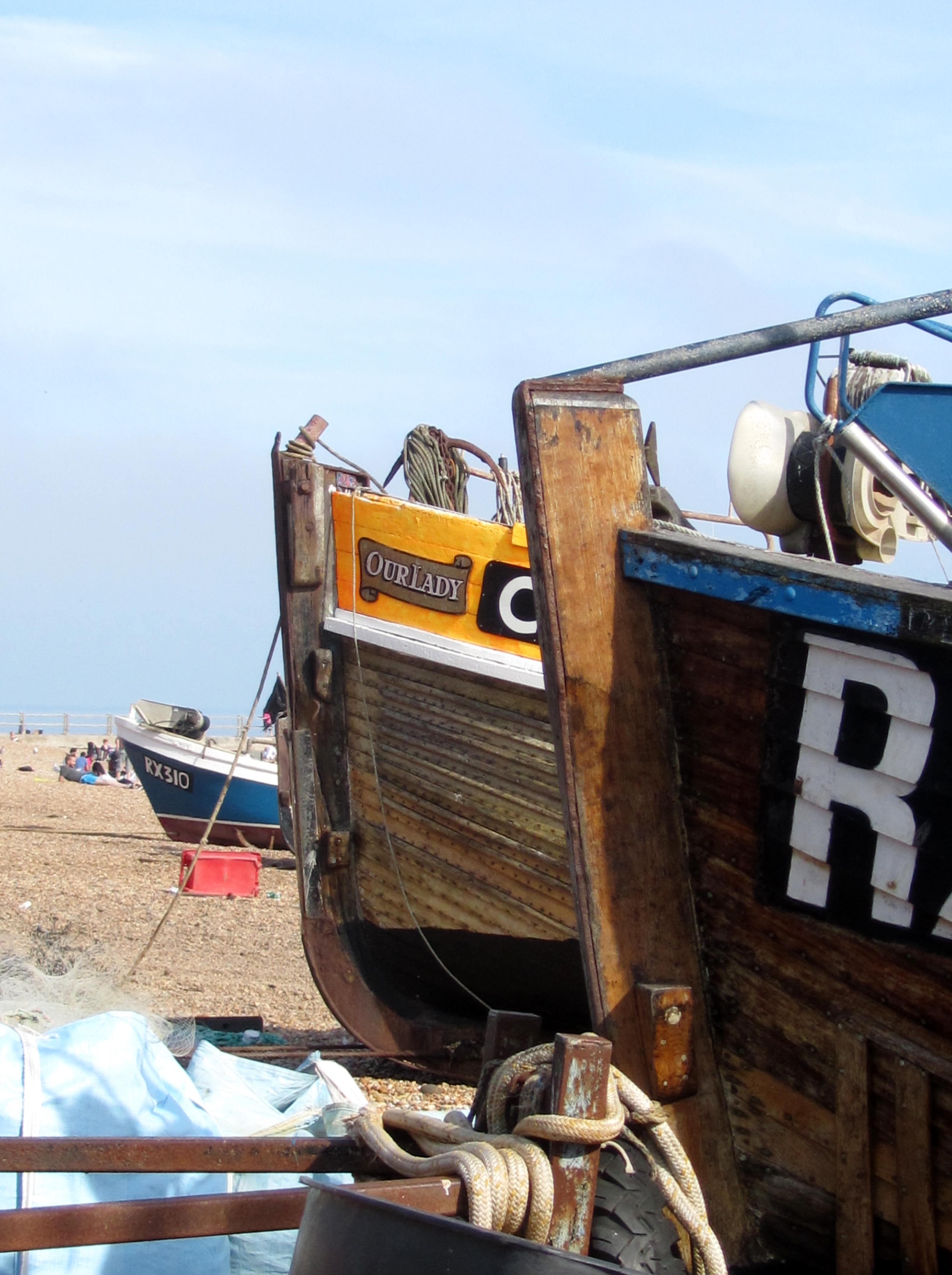
Fishing fleet, Hastings


Green mail delivery in York


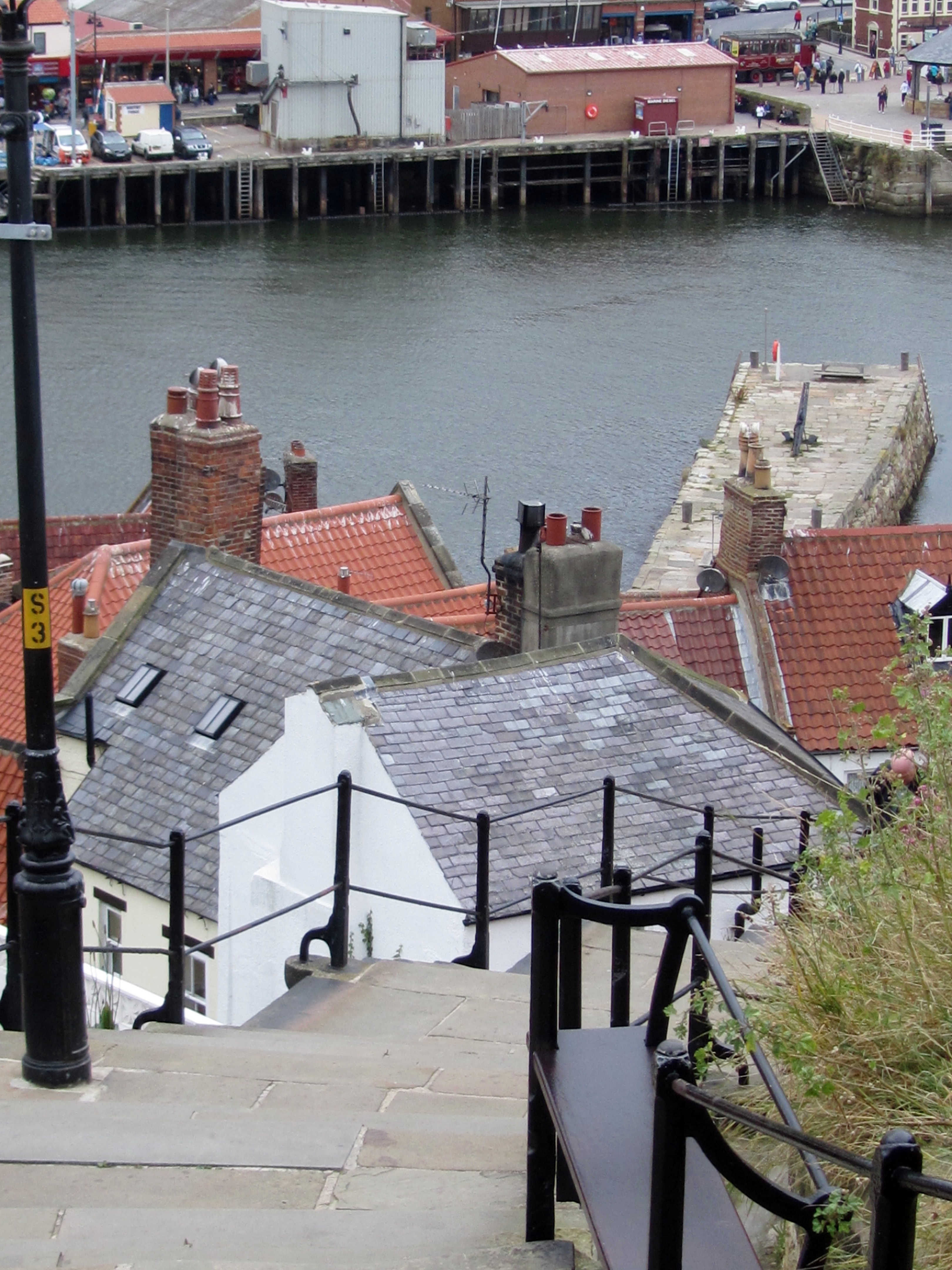
Whitby harbor


On the pier at Whitby


London


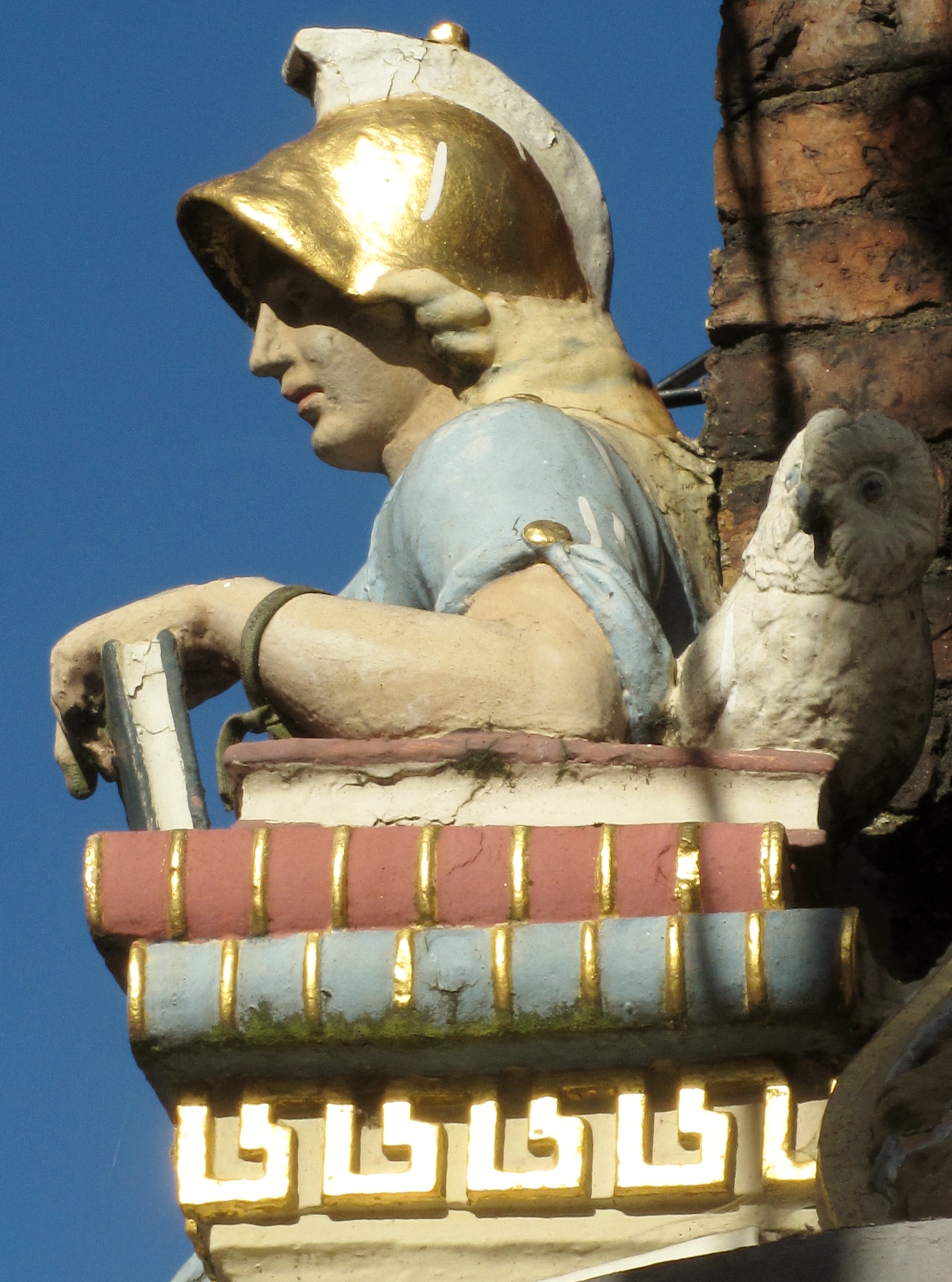
Athena leaning on wisdom in bookseller’s lane, York


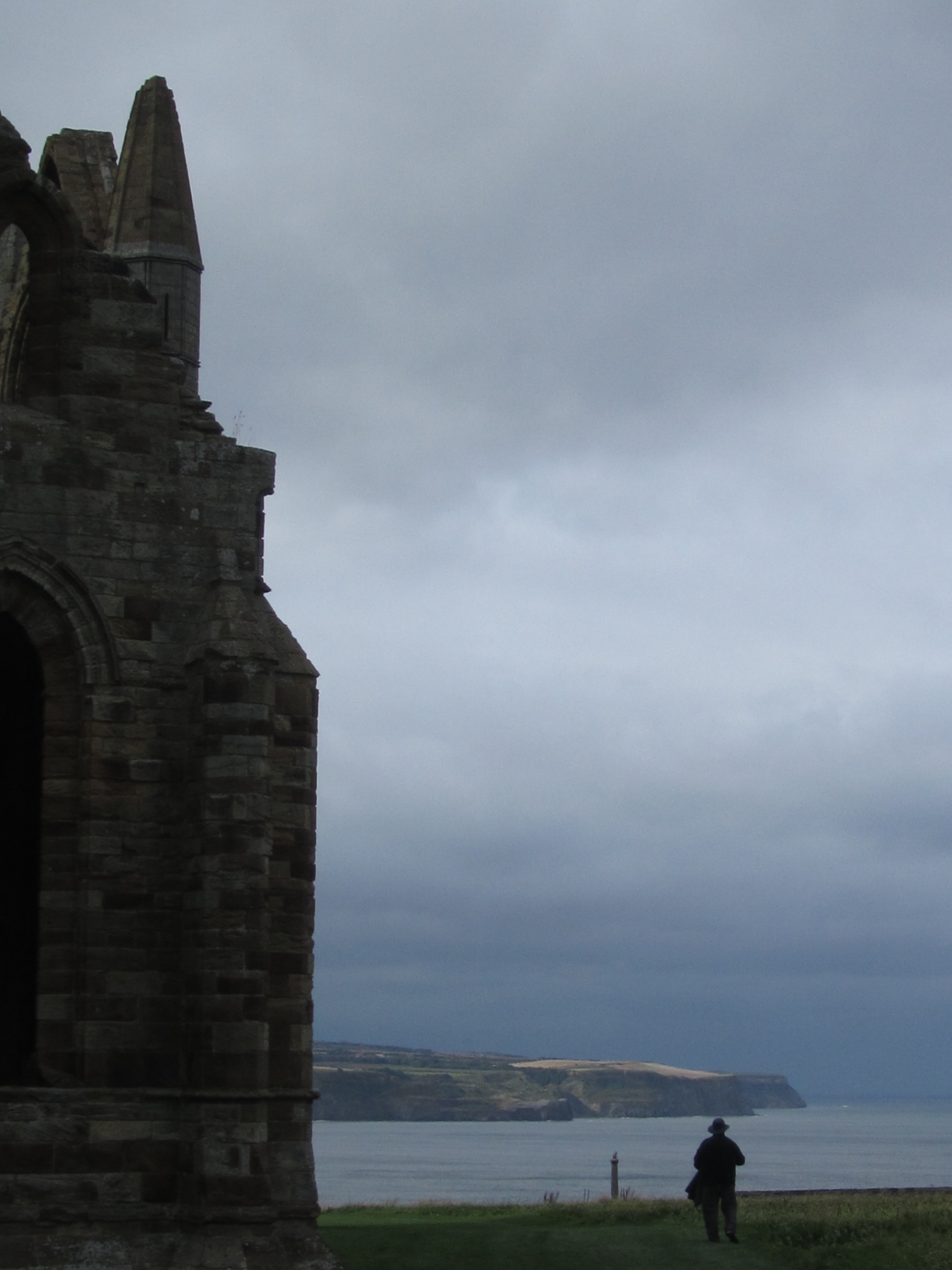
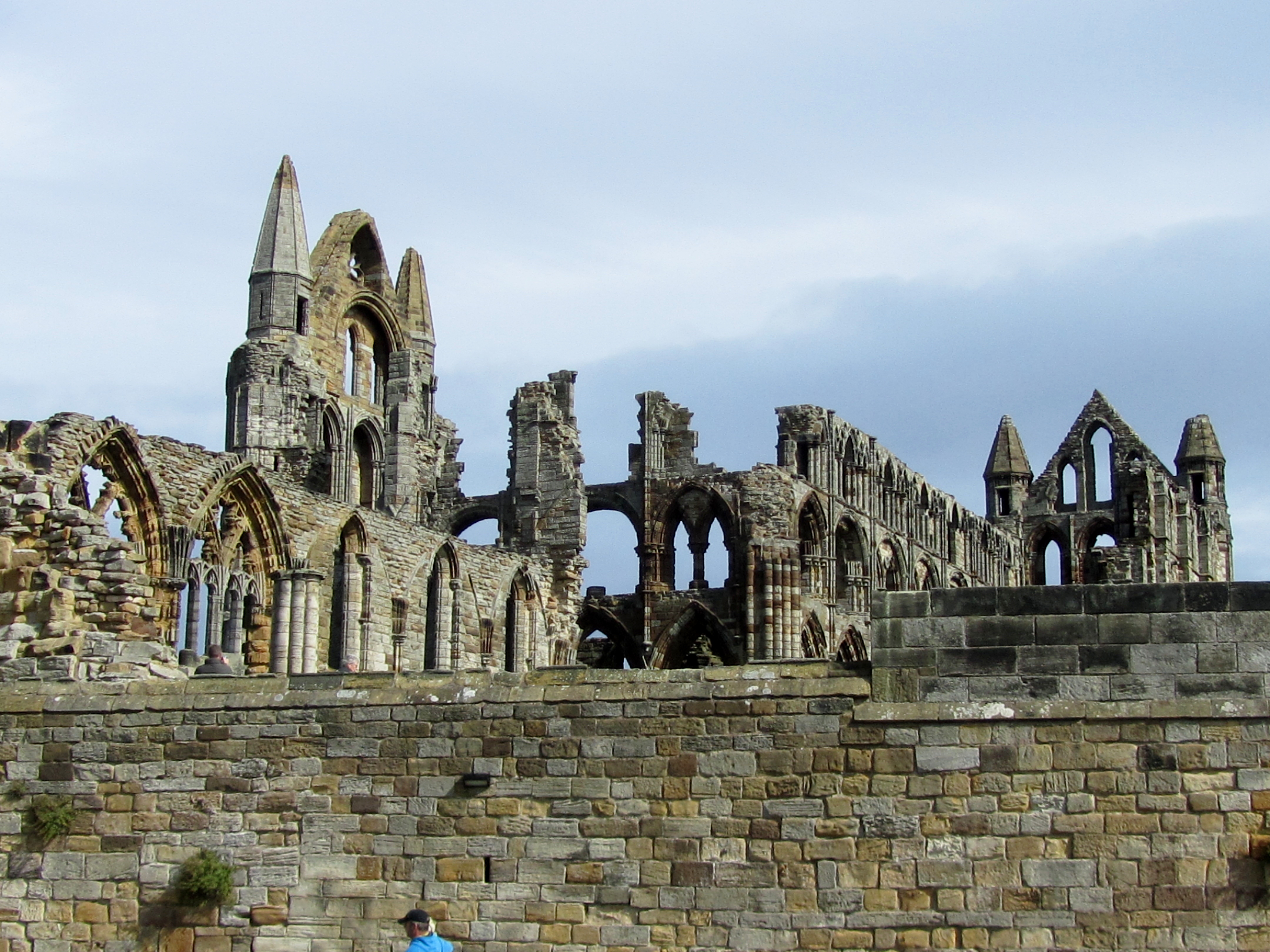
Whitby Abbey


Harrogate Flower Show


Harrogate Flower Show


London


A spectacular show

Agatha Christie, the famous English mystery writer, created a sensation when she disappeared in 1926. Her car was found hanging off a cliff and an enormous manhunt ensued. Eleven days later she was recognized – she’d been staying in a nice hotel in Harrogate, Yorkshire, under an assumed name. The BBC says it was “just like a plot from one of her own books.” Undoubtedly Monsieur Hercule Poirot would have found her in no time. Read more here.

I thought of Agatha when we arrived in Harrogate, wondering if she was just a little amused by all the hullabaloo going on around her. On the last day of our English adventure, we are joining my auntie and uncle at the Harrogate Flower Show. The show is packed – every building is crammed with gardening fans who’ve come to look at champion veggies and flowers. Agatha would have no trouble getting lost in this crowd. The winning onion set a world record at 18 pounds. The onion master also won for a 119 pound marrow! Check it out: http://www.flowershow.org.uk/.

Onion glory

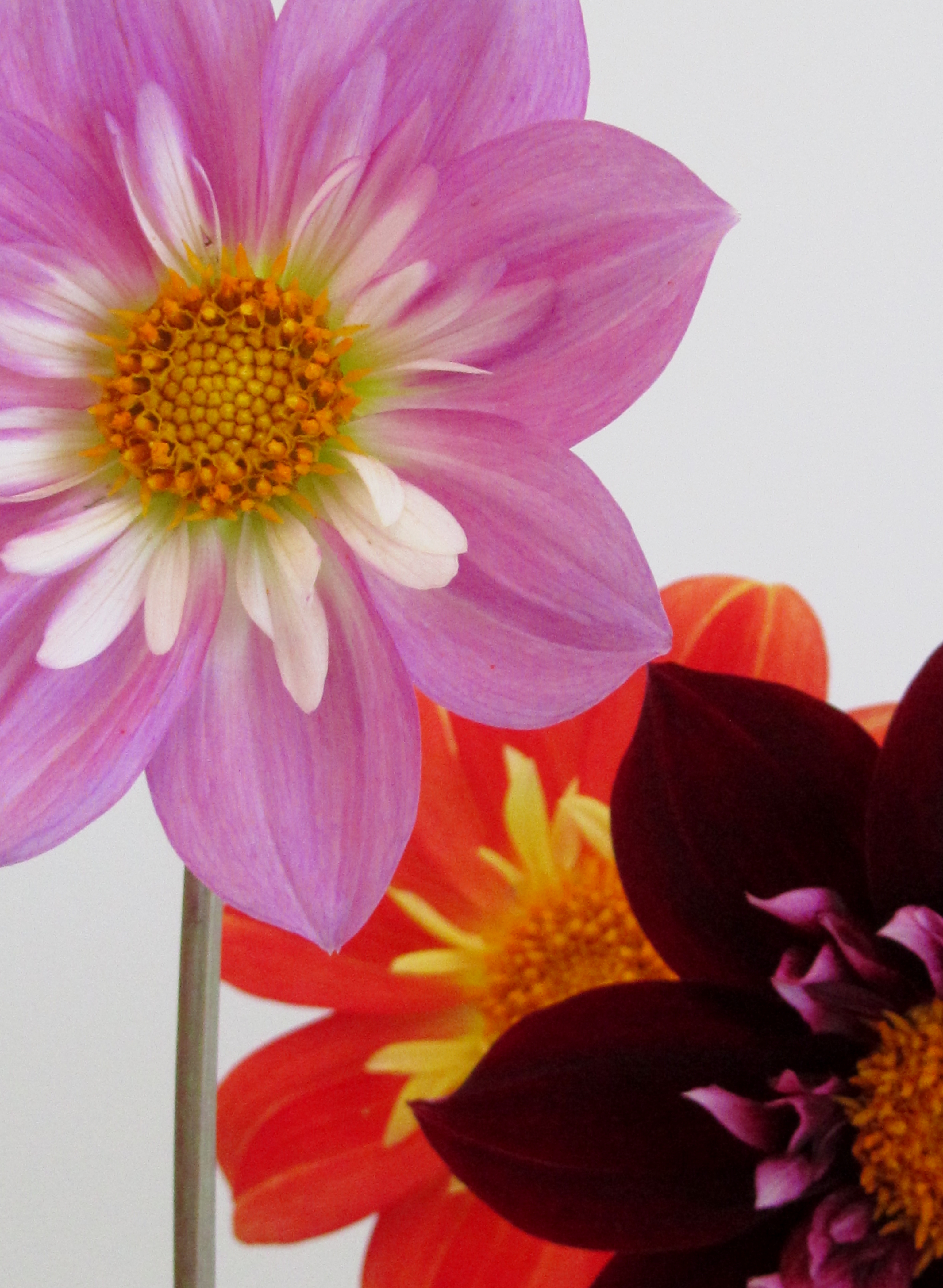
All the signs tell us not to touch these agricultural amazons, but it’s hard not to reach out, just to reassure ourselves that they truly are real. Among the flowers, the dahlias are the show stoppers. With curly petals and brazen colors, they are lined up like Radio City Rockettes, perfect in their gorgeousness.

Dahlia colorpalooza!

I cannot stop taking photos. Finally, all three of my companions are staring pointedly at me and I head for the door, glad for digital cameras and endless clicks of the shutter.

The Rockettes

We walk through the biting Yorkshire wind to the bus and tuck ourselves in to watch the lovely countryside on the ride back. Soon we’ll be on the plane, filled with memories, our heads nodding through the hours and time zones, back to Oregon.

Veggie architecture

It was a dark and stormy night …

Yorkshire was the home county of the Bronte sisters – those damsels of the dark and windswept moors. Charlotte, Emily and Ann were born in the early 1800s and all were gifted writers who are still widely read today. Tragically, all three sisters and their brother died of tuberculosis; Emily and Ann were gone at about 30 years of age. Charlotte was almost 40 when she died in 1855 and was the most famous of the three in her day. For my part, I’m rather taken with tortured, brooding characters, so I’m thinking about Heathcliff from Wuthering Heights, Emily’s novel, as we ride the bus over the heathery moors of north Yorkshire. We are not going to make it to their home village of Haworth, but the grey skies and blowing wind bending the scrubby bushes helps me understand the inspiration for Gothic tales of love and revenge!

The bus takes us through a delightful little village where a flock of sheep are wandering across the road near a picturesque train station. Goathland, I learn later, was the setting for Heartbeat, a popular drama about a rural police officer that ran for 17 years on British television. My better half films the sheep scattering as a tiny car races up the road, seemingly oblivious to their wooly presence. Clearly, this has happened before!

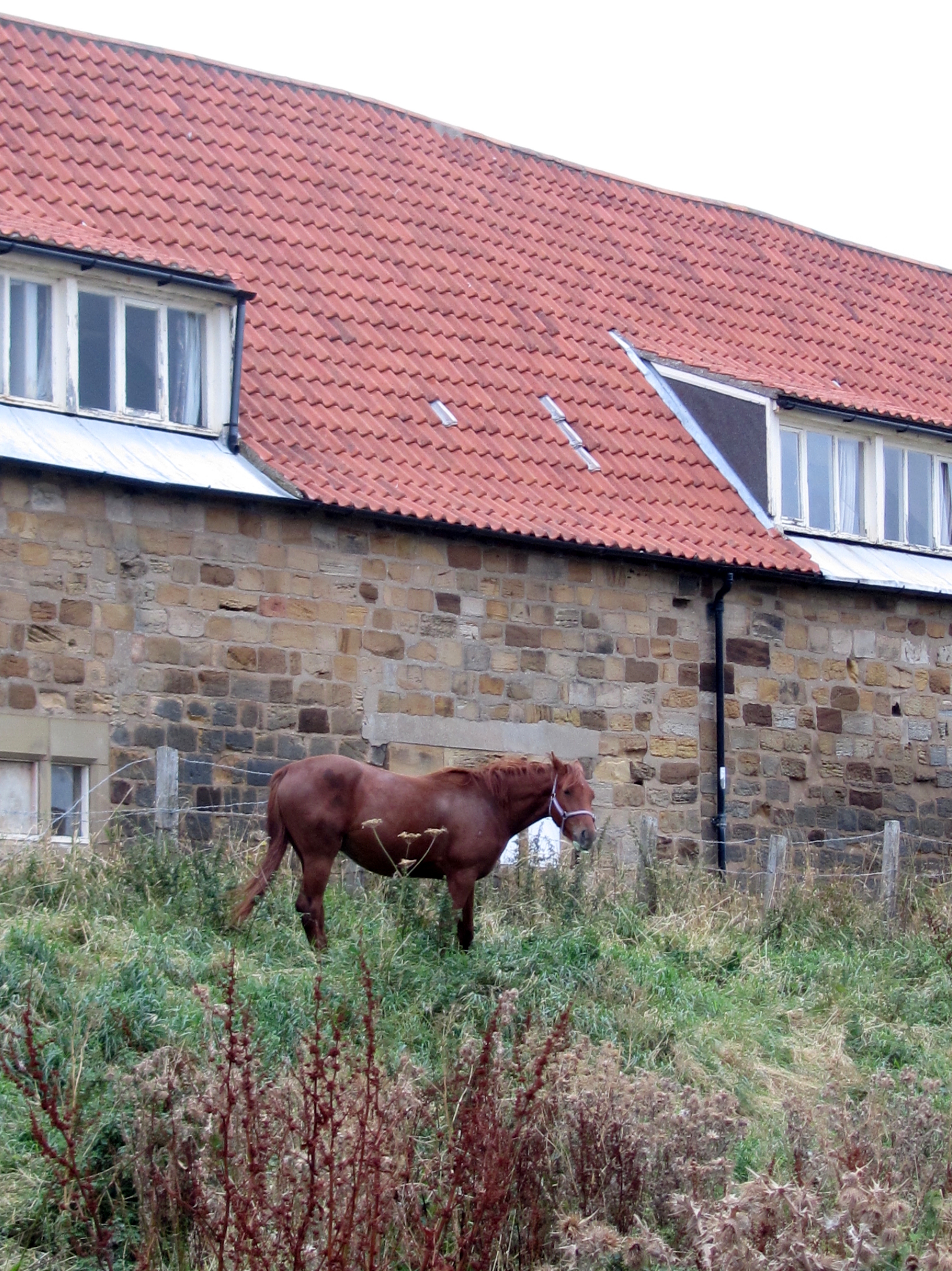
A horse high on a hill in Whitby

We arrive on the north Yorkshire coast at Whitby, one of seemingly endless charming villages and towns in England. We came here to see the imposing ruins of Whitby Abbey, built on a hill overlooking the town. Next to it stands St. Mary’s Church, still in operation, whose windows are lit red by the setting summer sun, appearing to be burning eyes. Bram Stoker stayed in Whitby, saw the windows, and wrote them into his novel Dracula. And the rest is, um, history.

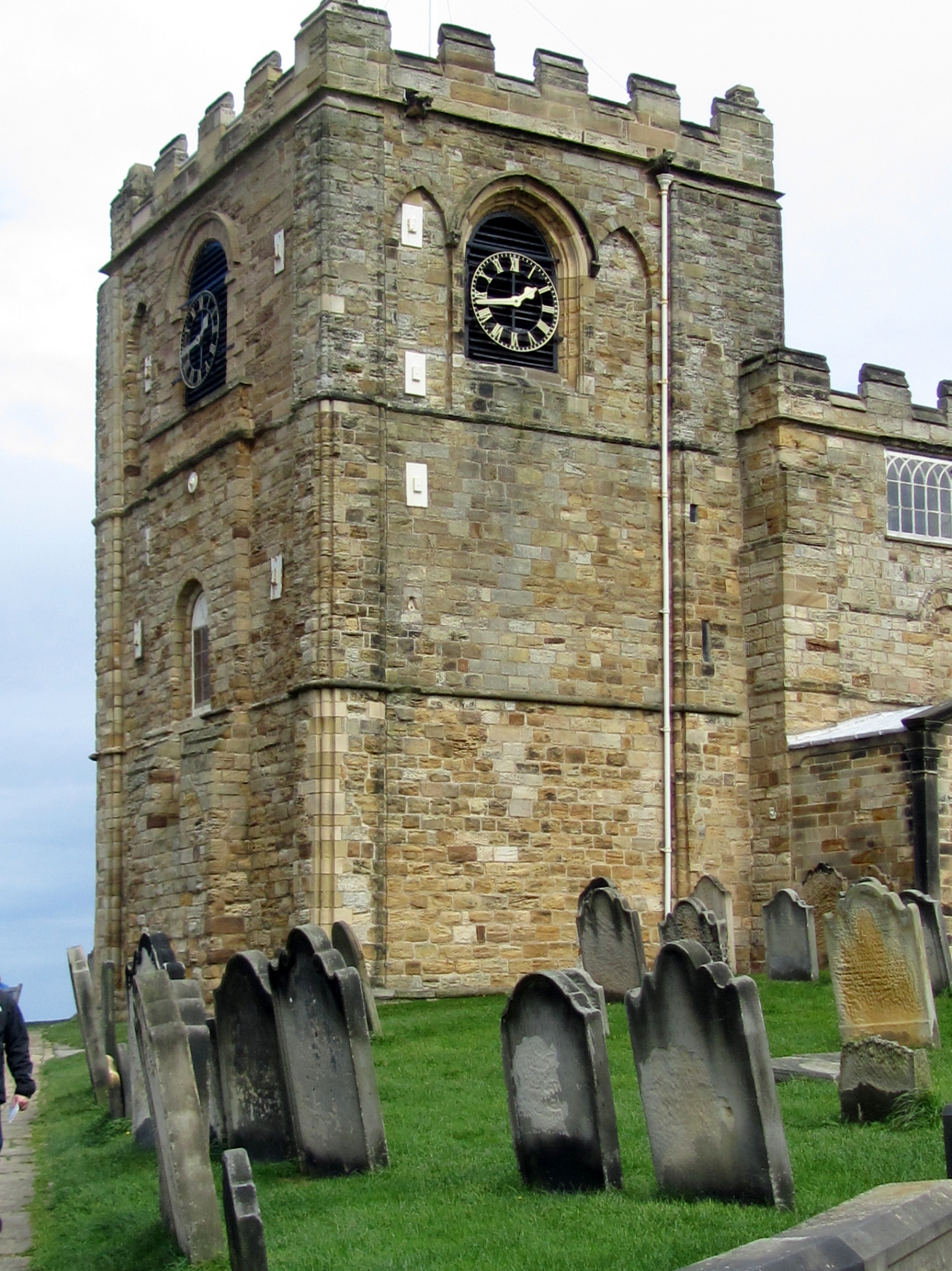
St. Mary’s Church

We walk up the 199 stairs to the church and the abbey ruins. An abbey has stood here since the 800s, but several were laid waste before the final building was caught up in Henry VIII’s dissolution of monasteries and was stripped and sold off in the 1500s. We cannot stop taking pictures of the stone skeleton, once a place of power and worship, now home for starlings.

Whitby Abbey ruins

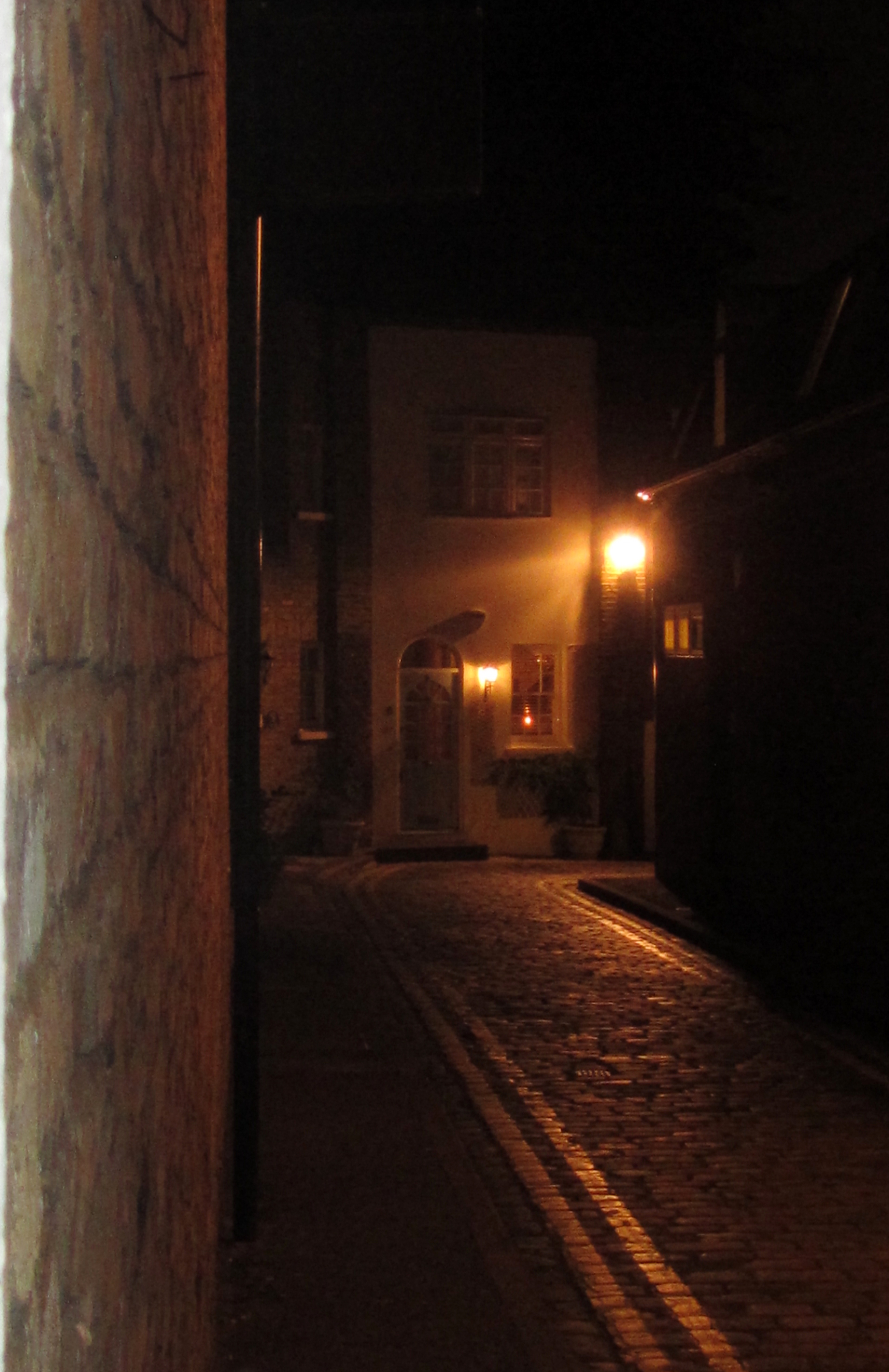
Down the stairs we walk through more uneven cobblestone streets and then out on the pier to see the Atlantic waves pouring through the breakwater. We are good and tired by the time we step back on the double decker for a two-hour ride back to York and our final day in England.

Whitby from the top of the 199 stairs

And by the way … the title of this post comes from Edward Bulwer-Lytton, a Victorian writer fond of overwrought phrasing. There is a hilarious writing contest inspired by this author and you can learn more about it at www.bulwer-lytton.com. For my Canadian friends and family, you’ll find this article amusing: http://www.guardian.co.uk/culture/2008/aug/19/2. One last piece of writer’s trivia: Bulwer-Lytton was a great friend of Charles Dickens, so much so that Dickens named his 10th child – you guessed it – Edward Bulwer Lytton Dickens.

Yours truly – windblown, as usual


Evensong

After a day in Needingworth at my auntie and uncle’s home, we head north to York. We take the fast train and are tucked among business people traveling further north to Edinburgh in Scotland. In little more than an hour, we hop off the train and head to our B&B.

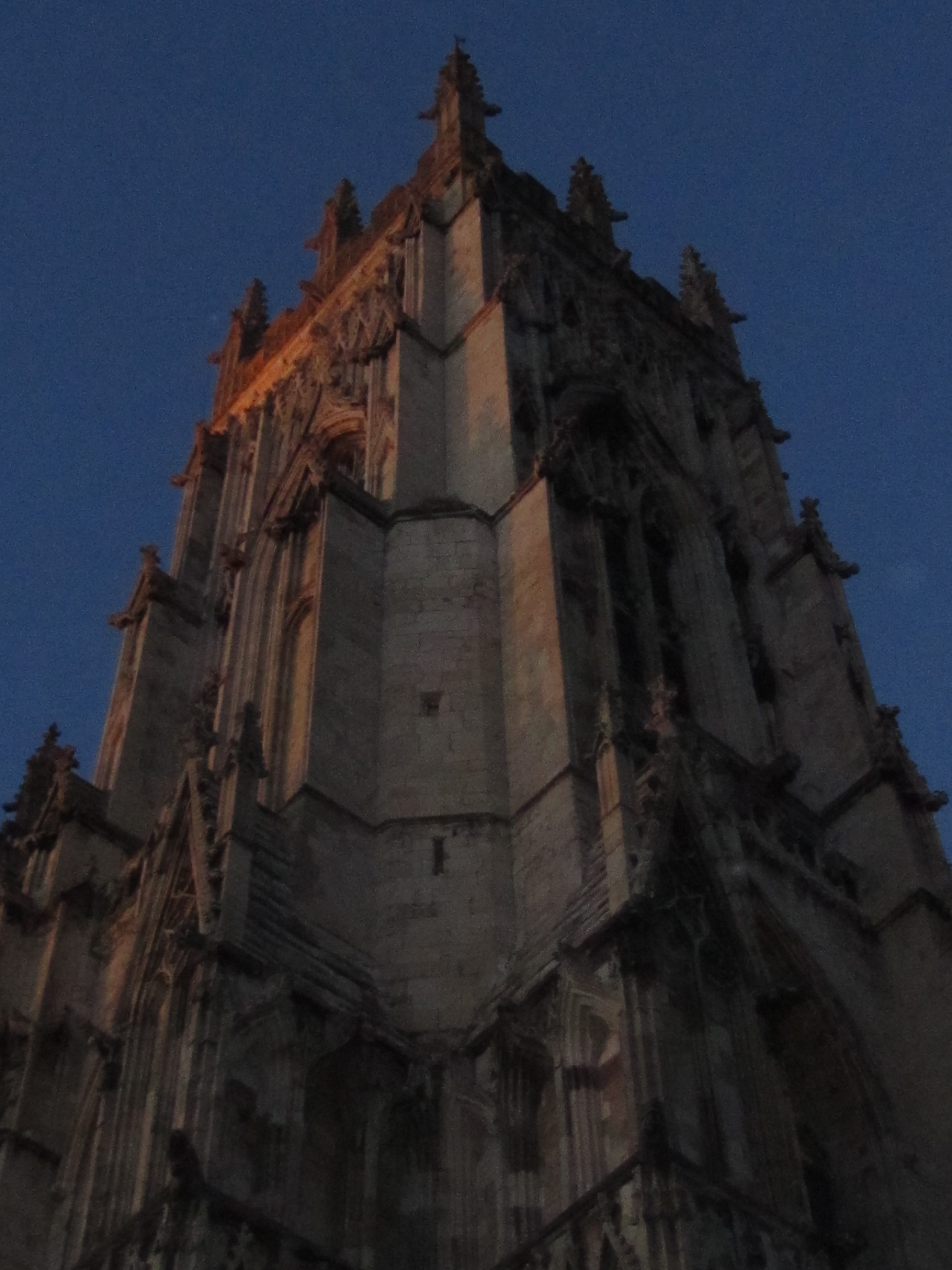
The gothic glory of York Minster

Our first evening here we attend Evensong, a worship tradition of the Anglican church that I’ve always liked, at the majestic York Minster. This gothic cathedral has been around for centuries and dominates the landscape in the old walled city of York. At Evensong, the choir’s collective voice soars into the great realms of the ceiling, accompanied by the pipe organ’s unique sound. We reflect on Psalm 59 – here is an excerpt:

As for me, I will sing of thy power, and will praise thy mercy betimes in the morning: for thou has been my defence and refuge in the day of my trouble. Unto thee, O my strength, will I sing: for thou, O God, art my refuge, and my merciful God.

The literary beauty of reverence is present. I read in the prayer book that Evensong – evening prayer – is largely unchanged since the mid-1500s. I think about all the voices that have harmonized in this vast building during the centuries and my heart is moved by this celebration of creative song.

The minster at dusk

We have a video clip of the bells of the minster ringing at dusk that is fabulous – I hope to be able to post it.

Cambridge

The roots of the University of Cambridge reach back to the 1200s when a group of scholars left Oxford due to conflicts with townspeople there. Nowadays there are 31 colleges in Cambridge that operate independently but all degrees are conferred by the university. The website has loads of fascinating historical information: http://www.cam.ac.uk/colleges/.

So many accomplished writers have studied at Cambridge: John Milton, John Fletcher, John Harvard, Lord Byron, Alfred Tennyson, William Wordsworth, Sylvia Plath and more. I am thrilled to be walking on the grounds.

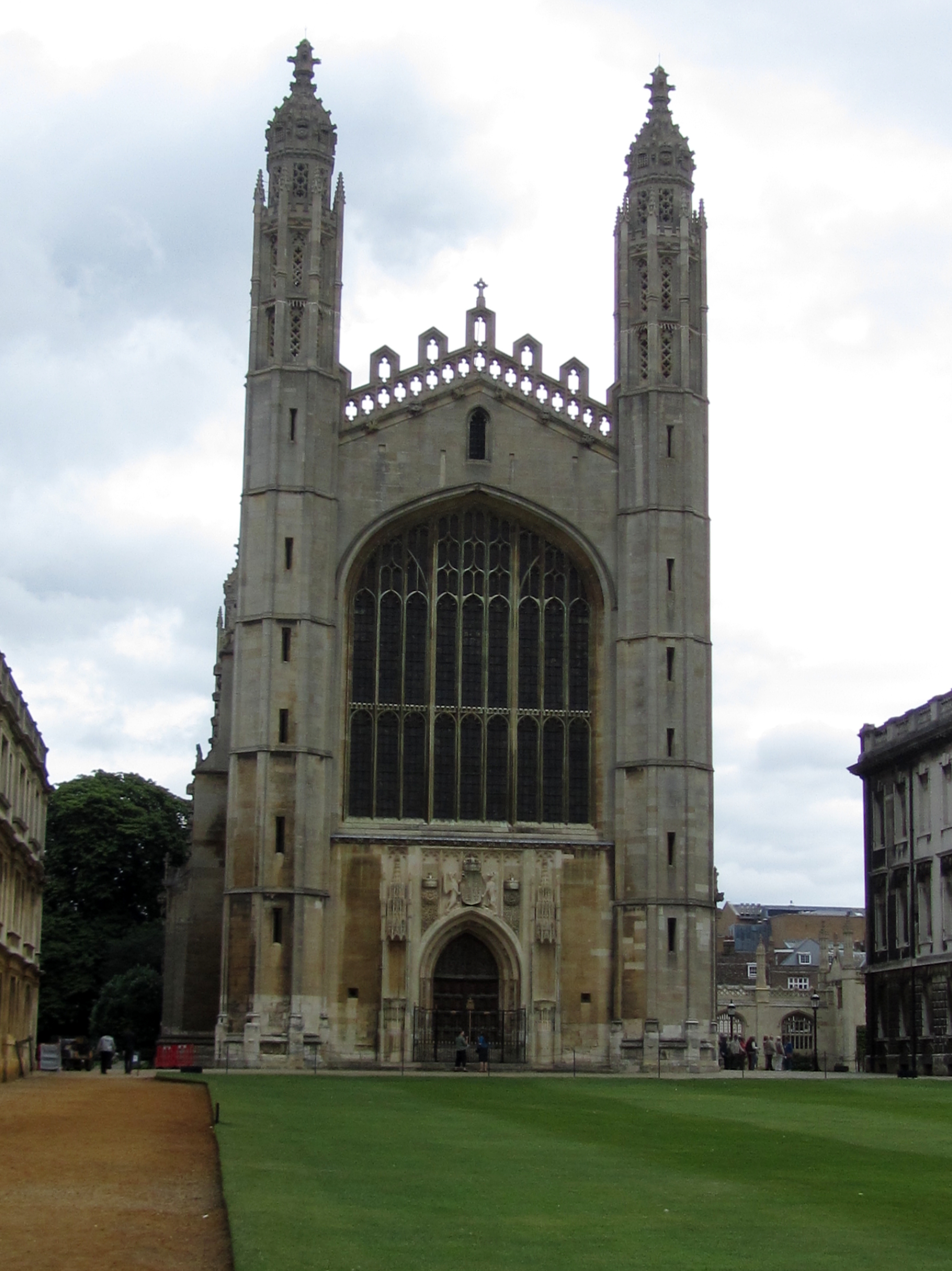
King’s College Cathedral at Cambridge (and please keep off the grass)

We visit King’s College and are duly impressed by the cathedral’s architecture and truly amazing organ, which features large angels on either side grasping imposing trumpets. Historical plaques trace the building’s history with kings who helped pay for construction and the colorful stained glass windows. In medieval times the royals kept themselves busy imprisoning each other and deposing and frequently killing off heirs to the throne. Richard III seems particularly bloodthirsty, but was he really? When the Tudors (the last two Henrys through to Elizabeth I) took the throne they embarked on a propaganda campaign to blacken Richard’s reputation and turn public favor toward the already-dead Henry VI. This went on for about 100 years and culminated, according to the University of Cambridge, in Shakespeare’s plays Henry VI and Richard III, in which Richard is an arch-villain and Henry VI is glamorized as a hero.

Inside the cathedral

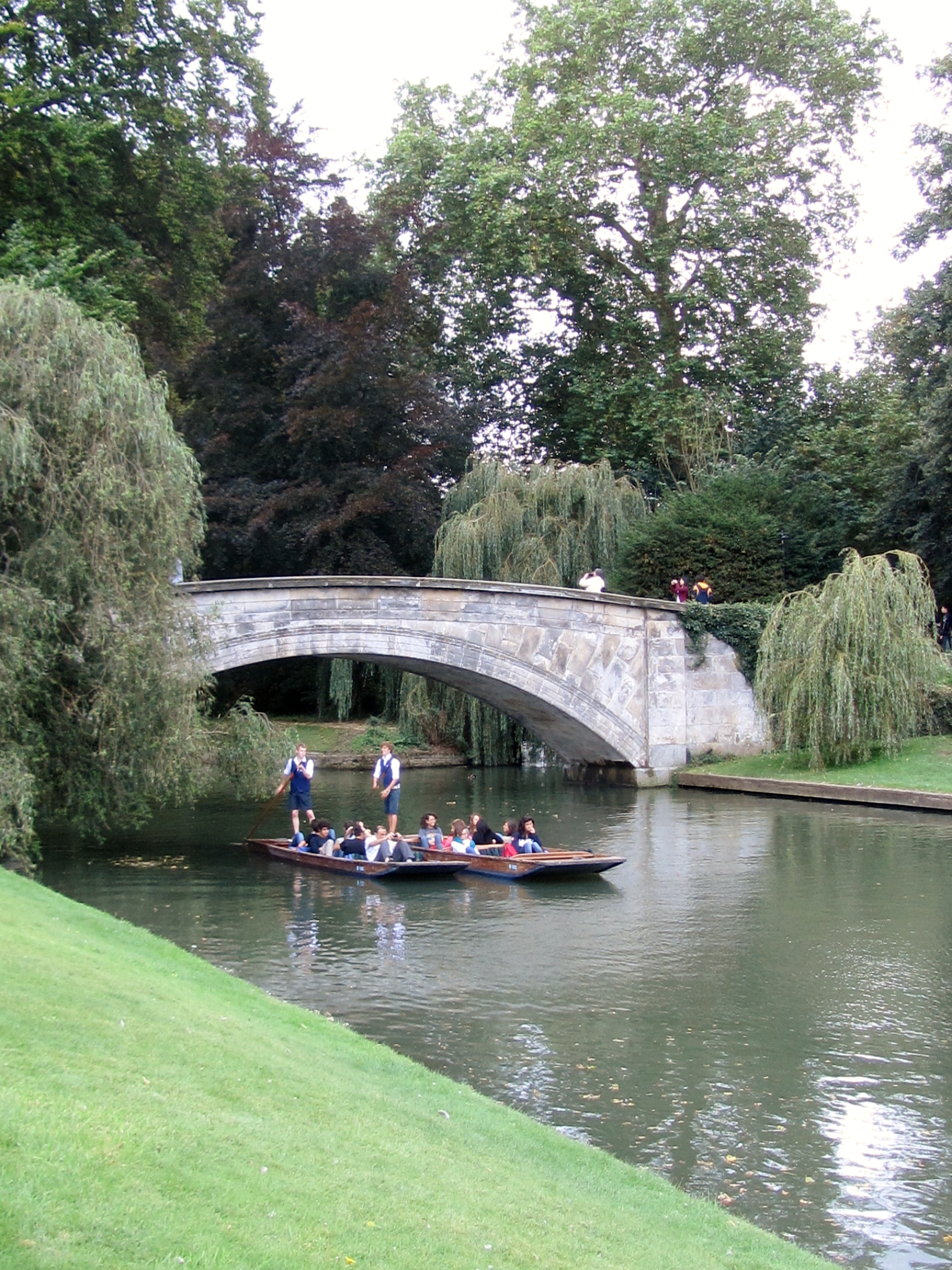
Outside the grass is lush and green. We are amused by many small signs telling visitors to keep off the grass and other signs announcing that masters may walk on the grass. Walking down to the River Cam, we see the famous punts filled with tourists moving slowly up and down the stream. The scene truly looks like a postcard. I think about the university’s website that says a bridge has been in this area since at least 875. Wow.

The River Cam

I wish I could stay longer but I want to visit another auntie who is now in a nursing home. We walk into her room and as she turns toward me, I see my father’s face and then my sister’s eyes.  Even though she is physically frail and struggles with short-term memory, her spirit is strong and she perks up during our visit. She does not let go of my hand for a long time. She cared for my sister and me when we were very little and her heart goes back to that time, remembering how we looked, describing my sister as a little angel, so pretty, so sweet. I am touched by the depth of her love. We drink tea and I tell her she looks really good. She asks me to keep writing and I promise that I will, as I have through the years. I blow her a kiss as we leave.

A love story unfolds

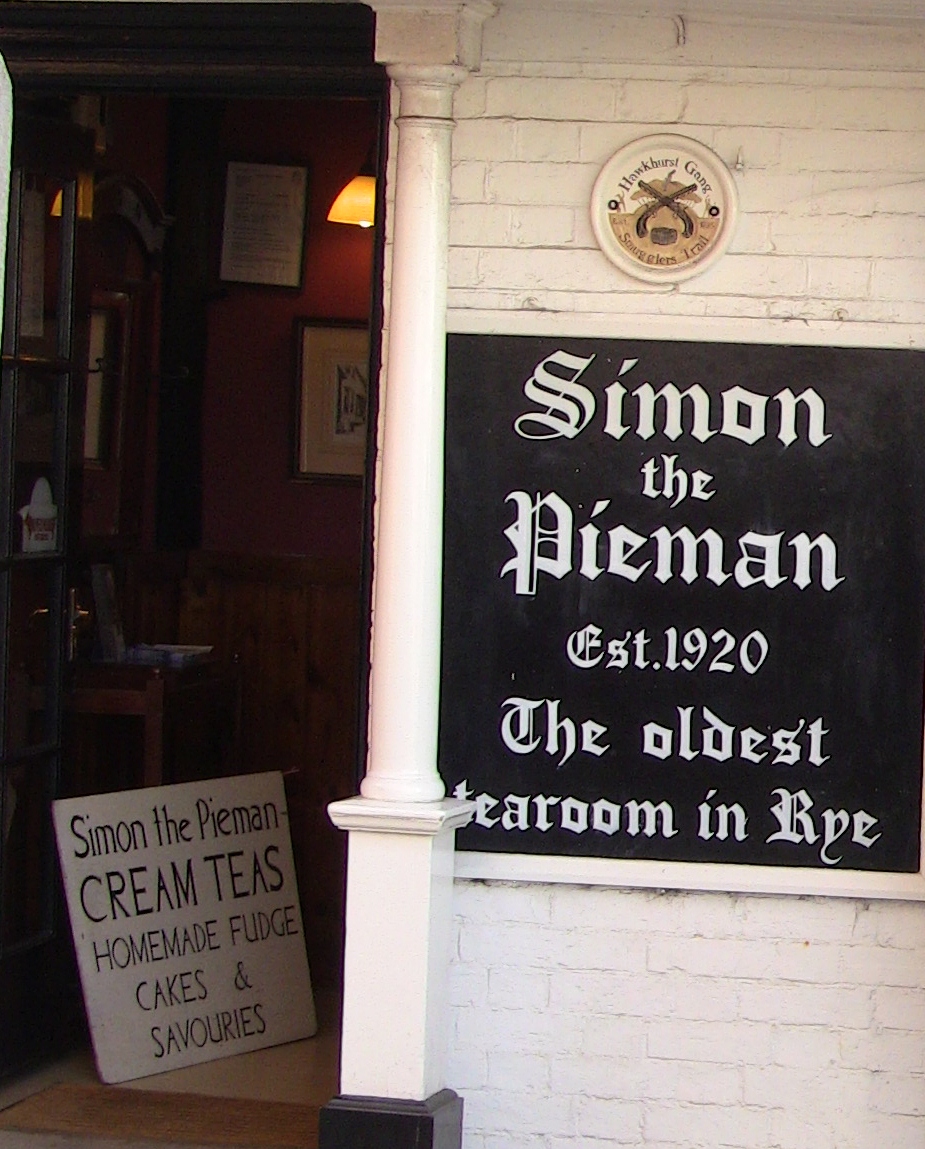
A tea shop in Rye, full of cakes and cream!
 My better half has fallen deeply and irrevocably in love with Hot Sticky Toffee Pudding, garnished with vanilla ice cream. As he consumed this British confection, he made such soulful remarks as, “Wow, why don’t we have this back home?” and “We have to get a British cookbook!”

It’s all part of his effort to experience full cultural immersion via cuisine. This has led to his discovery that, in England, not all puddings are dessert. At a York bed and breakfast he got quite edgy in his selections, sampling Black Pudding for breakfast. The ingredients are pretty simple: pig’s blood and herbs. (Aagh!) He took a couple of courageous bites as I looked on in disgust.

That adventure makes an earlier choice of kippers – salty smoked fish – and eggs for breakfast seem almost mundane. He ate the entire serving as I tried to concentrate on my porridge (oatmeal).

We notice that baked beans and/or mushy peas (just as they sound) seem to be available with pretty much anything, up to and including lasagna. Umm, lasagna and baked beans? And, everywhere in England, the ubiquitous chips (French fries) are available. They are very good and quite addictive. In the end, we don’t really have to worry about strange flavors because anything and everything is washed down with cups and cups of tea.

My better half has video footage of tea shop display windows with their array of sweet cakes and other goodies. It’s a love story in the making, or should I say baking.

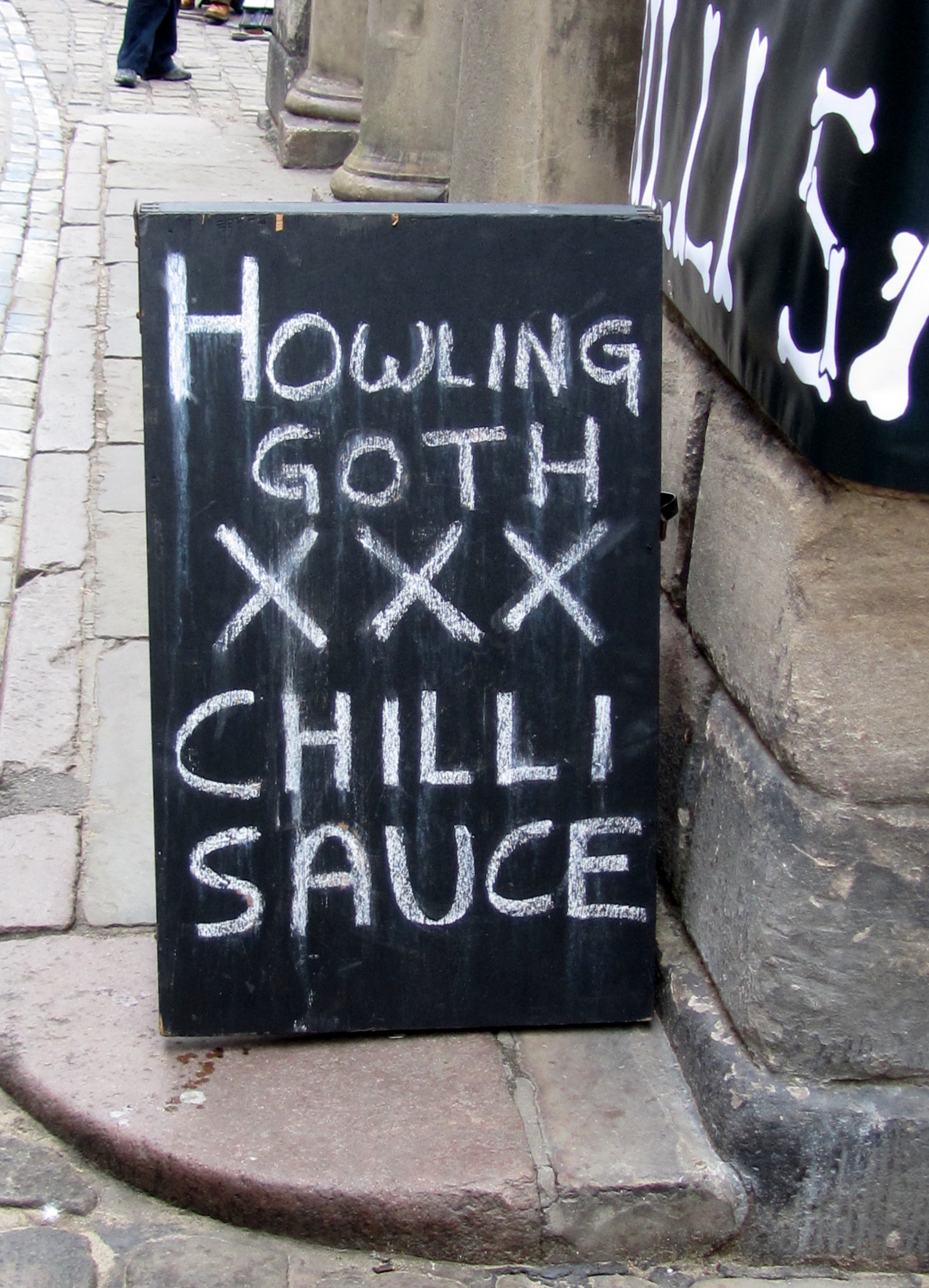
English humor in signage

All I could do was laugh and take the picture!